







Grocery Store Inventory Management Basics: 12 Tools & Techniques
Customers today are asking more questions about the food they buy — especially meat. As shoppers become more informed, curiosity naturally follows. Many customers want to know where butcher shops get their meat.
Industry research shows that two-thirds of U.S. consumers say clearer information about animal protein would make them more comfortable buying it, and half say they would purchase more meat and poultry if sourcing and raising practices were openly shared.
The farms, distributors, and processors you work with influence everything from product quality and consistency to pricing and customer trust.
Strong supplier partnerships don’t just keep your case stocked — they help you tell a better story about the products you sell. Reliable sourcing makes it easier to maintain quality standards, respond to changing demand, and run your shop more efficiently.
In this blog, we’ll explore where butcher shops typically source their meat and share five practical strategies to build stronger supplier relationships and manage inventory more effectively.
Where Do Butchers Get Their Meat?
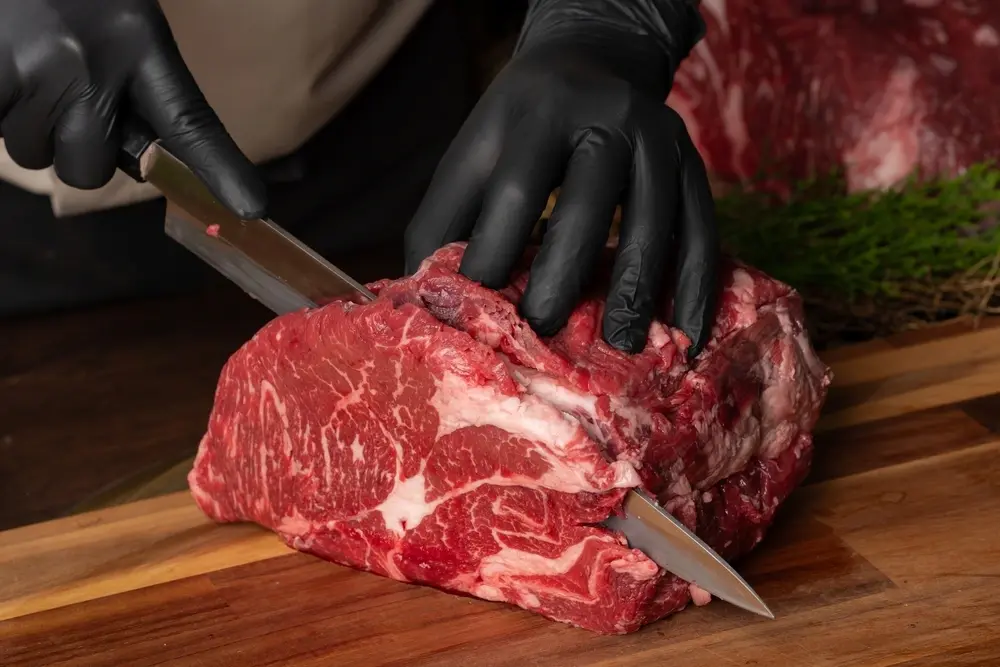
Most butcher shops source meat through a mix of farms, distributors, and processing facilities. The right combination depends on factors such as the shop’s location, size, cutting capabilities, sourcing philosophy, and customer expectations.
For example, a butcher store in downtown Chicago may use regional distributors to keep products consistently stocked, while a rural shop might work with nearby farms to supply locally-raised meat.
In practice, many butcher shops use multiple sourcing channels to keep their cases full and their offerings diverse.
These may include:
-
Purchasing boxed meat from regional distributors that supply primals and subprimals ready for in-house cutting
-
Partnering with local farms and ranchers to offer farm-raised products such as grass-fed beef and pasture-raised pork
-
Buying from USDA-inspected packing plants that process livestock and distribute standardized cuts
-
Bringing in whole animals for in-house breakdown to maximize yield and offer a wider range of cuts
-
Sourcing specialty products from niche producers, including heritage breeds, kosher meats, or sustainably raised livestock
Consumer interest in sourcing continues to influence these decisions. Industry research shows that nearly 60% of shoppers want to know how their meat was raised, and roughly 67% say verified information about farm origin, animal care, and product quality is important.
Because of this growing curiosity, many butcher shops now highlight their sourcing partnerships and proudly explain where their meat comes from and how it was produced.
5 Strategies for Sourcing and Inventory at Your Butcher Shop
Sourcing meat is only one part of running a successful butcher shop. Owners must also build strong vendor relationships, forecast demand, and keep inventory moving to maintain freshness and reduce waste.
The following five strategies can help butcher shops secure a reliable supply, manage inventory more efficiently, and control costs while meeting growing customer expectations.
1. Build Relationships With Local Farms
According to a regional consumer survey, seven in 10 households say it’s important that their purchases support family farms, and more than half report buying beef, pork, or chicken raised in their region.
Partnering with nearby producers allows butcher shops to meet those preferences while offering fresher products. These relationships also give staff valuable insight into how animals are raised — information many customers want to know.
To build effective farm partnerships:
-
Plan ordering schedules around farm production cycles to maintain a consistent supply throughout the year.
-
Discuss breeds, feeding practices, and raising methods with producers to align with customer preferences.
-
Communicate expected purchase volumes in advance so farmers can plan herd sizes and harvest timing.
-
Highlight farm partnerships in your shop and marketing to show customers exactly where the meat comes from.
Strong relationships with local farms improve supply chain visibility while giving butcher shops access to high-quality products that differentiate them from large grocery chains.
2. Diversify Supplier Partnerships
Relying on a single supplier can leave your shop vulnerable if deliveries are delayed or supply becomes limited. Building relationships with multiple vendors helps maintain a steady inventory and reduces the risk of shortages.
To create a more resilient supplier strategy:
-
Work with multiple distributors so your shop has backup supply options when one vendor runs short.
-
Balance farm partnerships with regional wholesalers to keep core cuts consistently available.
-
Track delivery timing and product quality to decide which vendors deserve repeat orders.
-
Negotiate flexible ordering terms when possible so purchases can be adjusted to seasonal sales patterns.
When customers ask where butchers get their meat, your shop should be able to point to several trusted suppliers working together to keep your display cases stocked with consistent, high-quality products.
3. Prioritize Transparency and Traceability
According to Beef Research, 70% of consumers say how their food was raised or grown influences their meal decisions.
For butcher shop owners, clearly showing where your meat comes from connects the products in your display case to the farms and production practices behind them.
To support transparency, many meat retailers:
-
Add farm or ranch names to case labels or shelf tags for premium or specialty cuts.
-
Use signage or printed materials to explain how partner farms raise and care for their animals.
-
Include notes on case cards or packaging about antibiotic- or hormone-free practices when applicable.
-
Highlight producer practices through in-store displays, website pages, or social media posts.
Tools that generate shelf labels and pricing tags make it easier to include these sourcing details across your products without extra manual work.
4. Monitor Sales Trends To Guide Purchasing
Holidays, grilling season, and regional preferences can all influence which products sell quickly and which remain in the case longer. These patterns also affect how and when you place orders with your suppliers.
Tracking sales trends helps prevent over-ordering, reduce spoilage, and keep inventory aligned with customer demand.
Use the following practices to guide purchasing decisions:
-
Review weekly sales reports to identify which cuts sell fastest.
-
Adjust order quantities throughout the year as demand rises or slows during different seasons.
-
Monitor slow-moving inventory so products can be discounted, repurposed, or reduced in future orders.
-
Use past sales data to prepare for holidays and major events when demand for certain cuts typically increases.
A data-driven point of sale (POS) system makes it easier for butcher shops to track these trends and keep display cases stocked with the cuts customers buy most often.
5. Track Yield And Control Waste
Breaking down whole animals or primals produces trim, bones, and secondary cuts that all affect margins. Tracking how much usable meat you recover helps butcher shops understand actual product costs and price cuts more accurately.
To manage yield more effectively:
-
Record weight loss during trimming and cutting to understand how much product is lost during processing.
-
Track how trim is used in sausage, ground meat, or prepared items so more of the animal contributes to sales.
-
Review margins across different cuts to identify which items support overall profitability.
-
Watch spoilage rates to adjust ordering volumes and reduce losses.
POS software with integrated inventory tracking helps you monitor trim usage and better understand the cost of each cut. Over time, this data may reveal which suppliers’ products provide the most usable meat, helping guide future sourcing choices.
Track Suppliers and Improve Sourcing Transparency With Markt POS
Behind every well-stocked butcher case is a complex system of suppliers, inventory, and daily purchasing decisions. When customers ask where butchers get their meat, the response often depends on how effectively a shop manages its vendors, tracks product movement, and monitors margins. Without the right tools, these tasks become difficult to track and manage.
That’s where technology helps.
Markt POS gives butcher shops the visibility they need to manage sourcing and inventory more efficiently — all in one place.
With Markt POS, you can:
-
Track inventory automatically as products are sold.
-
Monitor vendor purchasing data to evaluate supplier performance.
-
Analyze sales patterns to guide future ordering decisions.
-
Identify top-performing cuts and margins across product categories.
-
Reduce spoilage and shrinkage by maintaining accurate stock visibility.
By bringing supplier data, inventory, and sales performance together in one system, Markt POS helps butcher shops make smarter decisions and keep their display cases stocked with the cuts customers want most.
Schedule a demo today to see how Markt POS helps butcher shops manage suppliers, control inventory, and keep their cases filled with high-quality products.


As the product manager of Markt POS, Joel brings a decade of grocery retail experience. He helps grocery store owners take advantage of cutting-edge point of sale technology and is committed to helping them succeed. Joel writes extensively about improving inventory management processes — something every grocer struggles to perfect.