






Best Specialty Grocery Point of Sale Systems 2026
Walk into any grocery store, and you’ll see it immediately — some displays make shoppers stop, look, and buy, while others barely register. That difference isn’t accidental.
Strong presentation drives quantifiable sales impact in grocery retail, with studies showing that point-of-purchase displays and merchandising can influence up to 70% of supermarket purchases.
But not every department works the same way. Meat, produce, prepared foods, and center-store aisles each require different merchandising approaches to guide shopper behavior, increase basket size, and reinforce quality perception throughout the store.
Here are four department-specific grocery store display ideas you can implement right away, along with practical tips for using your point of sale (POS) system to measure results and improve performance.
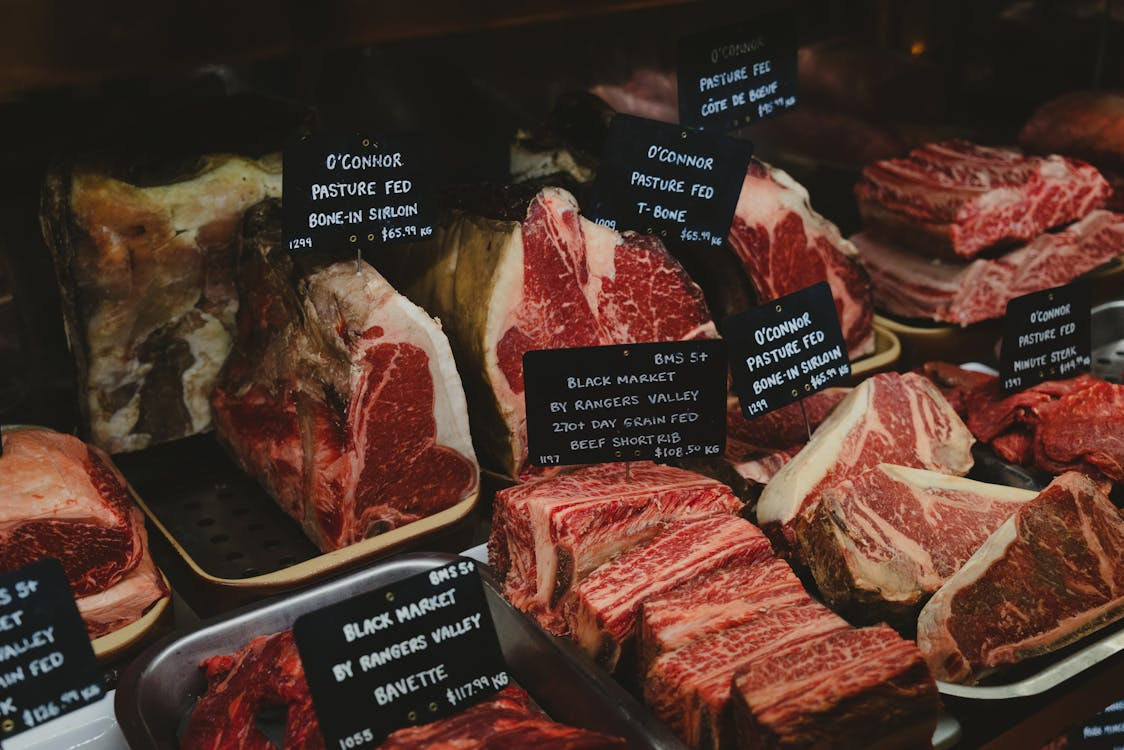
Shoppers assess color, organization, and cleanliness within seconds in the meat and seafood department, and nearly 60% say freshness influences their purchasing decisions. Creating structured, visually clean displays helps reinforce quality while guiding shoppers toward higher-value selections.
To improve results in this category, try these merchandising tips:
-
Leave 1–2 inches of visible space between pricing tiers so premium cuts don’t compete with value packs.
-
Reset the case so that each protein occupies one clean vertical lane from the top shelf to the bottom pan, making comparisons easier.
-
Limit stack height to two layers and reface to maintain color, texture, and moisture sheen.
-
Add a small “Tonight’s Meal” card next to two high-margin cuts and rotate it daily to keep featured items moving.
For butcher shops and seafood markets, organized cases signal expertise and build confidence at the counter. When freshness and structure are clearly visible, customers tend to make decisions more quickly and are often more comfortable choosing higher-quality cuts.
2. Create High-Impact Seasonal Produce Tables That Signal Abundance
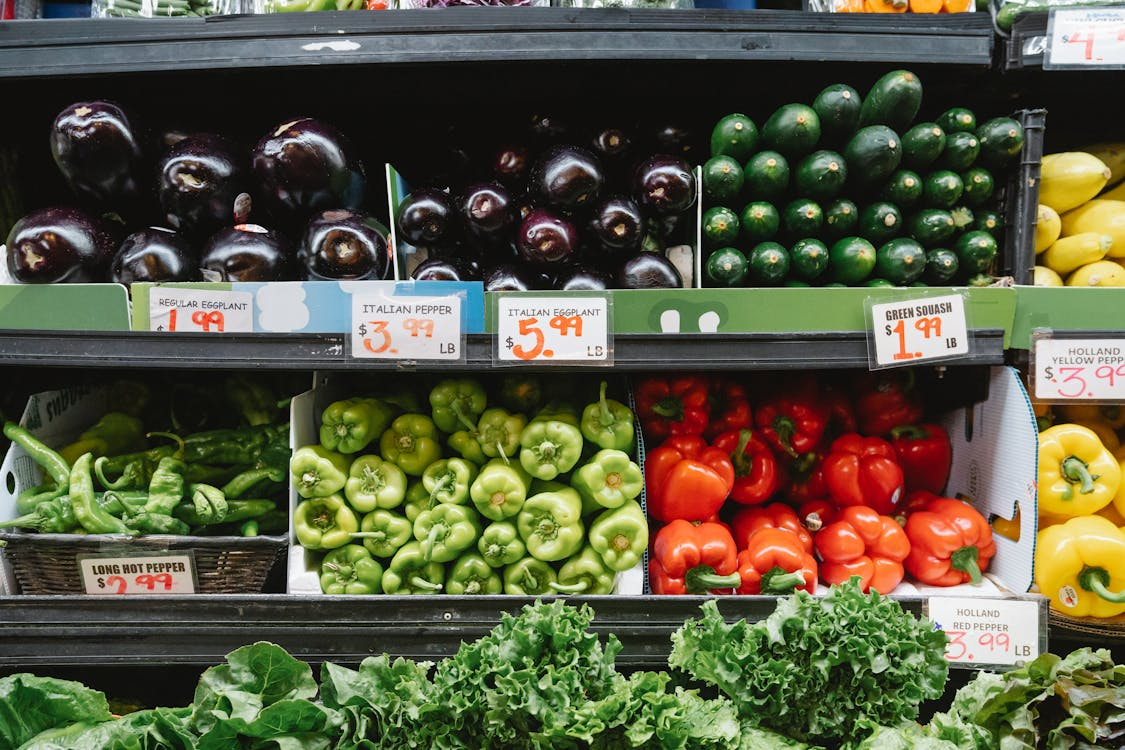
Produce often shapes a shopper’s first impression of the store. Industry research shows that nearly half of shoppers plan to buy more fresh produce, primarily driven by perceived health benefits, product quality, and taste.
Because this department sets the tone of your store, make sure it carries a sense of visual abundance. Well-organized displays communicate freshness, encourage exploration, and reinforce your reputation for quality.
Here are some grocery store display ideas to freshen up your produce department:
-
Add simple health callouts — such as “High in Fiber” or “Rich in Vitamin C” — to bin signage for top-selling items.
-
Group organic, local, or sustainably sourced products together and clearly label the section to highlight quality cues.
-
Keep displays tightly culled and remove bruised or damaged items promptly to maintain visual freshness.
-
Feature recipe cards showcasing seasonal ingredients to inspire meal ideas.
Visual cues around health, quality, and taste can increase basket size while improving turnover, helping the department stay fresher and more profitable.
3. Design Fast, Decision-Friendly Deli and QSR Displays
Prepared food and deli departments revolve around convenience and speed. Sales in this category continue to grow year over year, and customers expect more than quick service — they also want variety, freshness, and clear value when making their selections.
Effective displays make these items seem irresistible. Here’s how to help customers decide quickly and drive sales:
-
Organize hot, cold, and grab-and-go items into clearly defined zones so customers can find what they need at a glance.
-
Position combo pricing — such as a sandwich with a side or an entrée with a drink — directly above the case to encourage bundled purchases.
-
Add small “Chef’s Pick” or “Most Popular” markers to guide quick decision-making.
-
Use bold, high-contrast price tags that are readable from several feet away to speed up ordering.
For independent delis and small-format QSR counters, these grocery store display ideas improve order flow, increase average ticket value, and help you move more volume during busy periods.
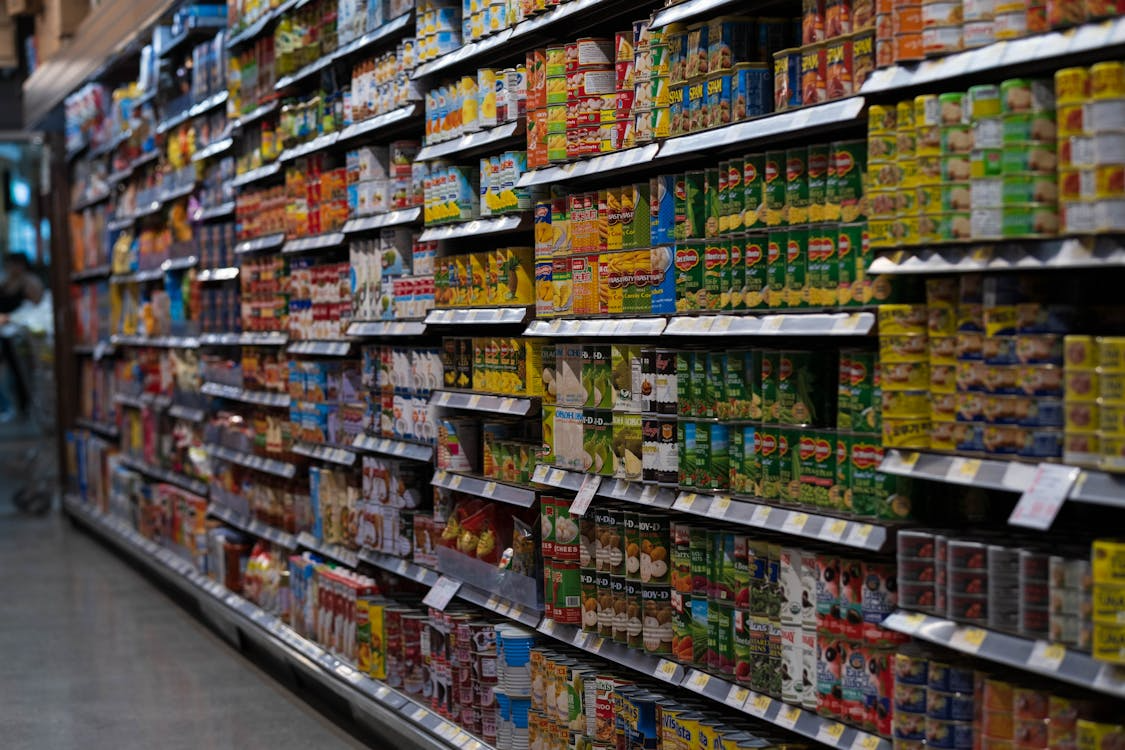
4. Turn Center-Store Aisles Into Structured, High-Conversion Zones
Most shoppers head to the center-store aisles for everyday staples, but routine buying shouldn’t translate into passive shelving.
Thoughtfully designed displays in these areas can increase visibility for higher-margin products, amplify promotions, and help with upselling and cross-selling.
Eye-tracking research shows that when shoppers focus on a promotional display, their attention often extends to nearby products. Grocers can use this spillover effect to boost basket sizes and highlight different products.
Here’s how to boost sales:
-
Position high-margin or private-label items beside promoted products to benefit from shared attention.
-
Build endcaps with a single, clear theme rather than mixed items to create a stronger visual impact.
-
Use vertical blocking within categories to make brand comparisons quick and intuitive.
-
Place secondary displays at natural pause points, such as aisle entrances or mid-aisle breaks, to capture traffic flow.
For specialty markets and smaller retailers, disciplined shelving helps reduce visual clutter, highlight your selection better,, and boost overall shopping confidence.
Strengthen Grocery Store Display Ideas With Real-Time POS Insights
Merchandising delivers stronger results when it’s guided by measurable performance data. Modern grocery store POS systems provide that visibility, helping you spot what’s working and where you should switch up your displays.
With grocery-specific reporting tools, you can:
-
Track department-level sales trends to identify which displays generate measurable impact.
-
Evaluate promotional performance to understand how bundles, endcaps, and secondary placements influence basket size.
-
Monitor fresh inventory turnover to reduce shrink and optimize replenishment timing.
-
Adjust pricing based on demand patterns and category performance.
Real-time sales data connects display strategy to daily decisions, helping you pivot faster, protect margins, and improve store-wide profitability.
Elevate Your Grocery Store Display Ideas With Smarter Execution
Grocery store display ideas work best when they’re tailored by department, aligned with daily operations, and supported by reliable data.
When protein cases are clearly segmented, produce tables are structured, deli counters are organized for speed, and center-store aisles follow consistent merchandising discipline, overall store performance will improve.
Markt POS helps retailers connect merchandising strategy to measurable outcomes. From department reporting to promotion tracking, our software provides the you need to protect margins and improve your shoppers’ experience.
Schedule a demo today to see Markt POS’ powerful reporting, inventory management, and marketing features in action!


As the product manager of Markt POS, Joel brings a decade of grocery retail experience. He helps grocery store owners take advantage of cutting-edge point of sale technology and is committed to helping them succeed. Joel writes extensively about improving inventory management processes — something every grocer struggles to perfect.