






Best Specialty Grocery Point of Sale Systems 2026
Seafood is one of the highest-trust food categories consumers buy. Customers rarely purchase fish unless they feel confident about freshness, sourcing, and proper handling.
In 2026, successful fish markets blend traditional neighborhood reputation with digital transparency and operational efficiency. The markets that win repeat business aren’t necessarily the biggest — they’re the ones demonstrating freshness, communicating clearly, and making shopping easy both online and in person.
Today, trust forms across both physical and digital touchpoints. Understanding how to market a local fish market means reinforcing credibility everywhere customers encounter your brand — from social feeds to the ice case in your store.
Why Trust-Driven Marketing Matters for Small Seafood Shops
Seafood buying decisions happen quickly — but they’re largely emotional. A customer either believes what they see or walks away. That’s why marketing for seafood shops shouldn’t feel like advertising hype. It should be visible proof of quality, care, and transparency.
In practical terms, here’s what confidence-building marketing often looks like day to day:
-
Show the freshness journey rather than just claim it, so customers can see how products move from the dock to the display.
-
Explain sourcing clearly to reinforce transparency and product confidence.
-
Highlight staff expertise openly so shoppers feel supported by knowledgeable professionals.
-
Simplify ordering and pickup so buying seafood feels easy and convenient.
When your messaging reflects how your market actually operates, customers gain confidence — which is what keeps them coming back.
Digital Marketing in 2026: A Must-Have for Seafood Shops
If you’re learning how to market a local fish market effectively, a strong digital presence is no longer optional — it’s part of how customers evaluate quality before they ever visit.
Many seafood purchases now begin with a quick online search. Research shows that about 80% of U.S. consumers look up local businesses online weekly, and nearly all shoppers read reviews before deciding where to go. What customers see during that search should reflect the same care, transparency, and professionalism they’ll find behind your counter.
With that in mind, here are some simple ways to reinforce trust through your digital presence.
Boost Local SEO With a Google Business Profile
When someone searches “fresh fish near me,” your Google Business Profile often shapes their first impression. Accurate details, recent updates, and visible engagement signal credibility — and can be the deciding factor between your market and a nearby option.
To stay visible and competitive, maintain an active presence:
-
Update business hours regularly to prevent confusion, especially during holidays or seasonal schedule changes.
-
Share fresh catch photos frequently so customers can see what’s actually available and gauge freshness at a glance.
-
Respond to reviews thoughtfully to show attentiveness and reinforce professionalism publicly.
-
Encourage happy customers to leave feedback soon after checkout while their positive experience is still fresh.
When managed regularly, your profile becomes more than a listing — it becomes a confidence builder. That strong, active presence helps locals find your shop and feel comfortable choosing it before they ever walk through the door.
Post Short-Form Videos
Shoppers want visible proof of freshness — not just marketing claims. When short videos are filmed with a clear purpose and shared on the right platforms, like Instagram Reels or TikTok, they can build transparency in seconds.
To use short-form content, focus on practical, authentic moments customers care about:
-
Film daily “today’s catch” reels highlighting new arrivals so shoppers see freshness in real time.
-
Show prep techniques or filleting demonstrations to showcase skill and product quality.
-
Answer common seafood storage questions in quick clips to position your shop as a trusted resource.
-
Feature staff meal recommendations to help customers plan purchases with confidence.
For example, a short reel showing a fresh tuna delivery can spark immediate interest and increase customer engagement. Research suggests that about 29% of social media users are likely to make a same-day purchase, highlighting how timely posts can influence in-store buying decisions.
That means quick, authentic seafood clips don’t just inform customers — they build familiarity and confidence, often turning curiosity into store visits.
Cultivate an SMS and Email List To Stay Top of Mind
Fresh seafood moves quickly, and timing often determines whether a customer buys from you or somewhere else.
Direct communication via SMS or email lets you notify customers about availability, specials, and new arrivals before inventory runs out — helping reduce missed sales and keeping loyal shoppers engaged.
To build and use your list, focus on steps that provide real value:
-
Collect phone numbers and emails at checkout by offering something useful, like early access to specials or prep tips.
-
Send updates tied to current inventory so customers know what’s fresh and available right now.
-
Alert customers to limited, high-demand items to create urgency without sounding overly promotional.
-
Share quick prep ideas or recipes to inspire purchases and increase basket size.
A retail-focused point of sale (POS) system helps automate these communications, keeping your shop visible when customers are planning meals or deciding where to shop — without relying solely on unpredictable social media algorithms.

Use Online Ordering To Drive Demand
Online ordering is not just a convenience feature. When used strategically, it generates traffic, creates urgency, and encourages repeat buying. For seafood markets, where freshness and timing matter, giving customers a simple way to reserve products can influence purchasing decisions.
Buy online, pickup in store (BOPIS) has become a core fulfillment option for food retailers, with 87% of merchants now offering it, and more than 67% of customers who pick up orders making an additional in-store purchase, increasing overall revenue.
Use this interest to support your marketing efforts:
-
Launch limited online-only preorders for high-demand items like salmon Fridays.
-
Create countdown-style promotions tied to seasonal seafood drops to build anticipation and urgency.
-
Offer early access to specials through online signup to grow your contact list while rewarding loyal customers.
-
Bundle pickup-ready meal kits to increase average order value and simplify meal planning.
When integrated intentionally, online ordering becomes more than a transaction channel — it becomes a demand engine that draws customers toward your counter.
In-Store Marketing: Make the Counter Your Strongest Asset
Even in 2026, most seafood purchases still happen face to face. Online ordering has grown to 44%, but the majority of customers prefer to see, smell, and discuss seafood before buying. Appearance, knowledgeable staff, and professional presentation remain some of the strongest sales drivers for local fish markets.
That’s why in-store marketing should be deliberate, not improvised. The way your counter looks — and how clearly information is communicated — shapes customer confidence.
Before refreshing displays or signage, keep in mind that shoppers form quick impressions based on visible freshness cues:
-
Offer cooked sample bites to introduce unfamiliar fish varieties and reduce hesitation.
-
Display clear origin labels noting species, catch method, and sourcing region.
-
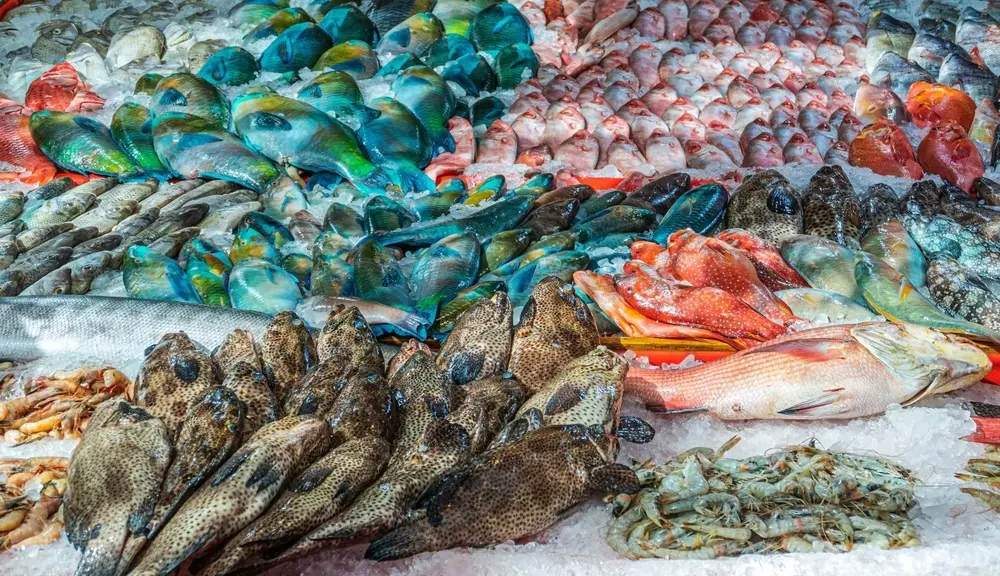
Maintain clean, well-lit iced displays with clear signage to reinforce freshness.
Clear labeling establishes trust instantly. Customers don’t want to guess whether fish is wild-caught, farmed, local, or imported.Loyalty Marketing Is Crucial for Neighborhood Markets
Fish markets rely heavily on repeat customers. Unlike large grocery chains, success often comes from building relationships with regular shoppers — not just completing transactions.
Understanding how to market a local fish market means recognizing that loyalty isn’t purely emotional — it’s operational. Well-designed rewards programs encourage repeat visits, reinforce customer habits, and help ensure your market is one customers think of first when planning meals.
Here are a few loyalty strategies to consider:
-
Reward repeat visits with points or discounts tied directly to purchases.
-
Offer member-only specials on premium or limited-availability seafood.
-
Send personalized offers based on customers’ buying habits.
-
Provide early preorder access for holidays or seasonal catches, or other high-demand items.
After implementing POS-based loyalty programs, food retailers often see measurable gains. Industry reports show that 79% of consumers say loyalty programs make them more likely to return — a strong reminder that regular incentives can boost repeat business.
Why Operational Marketing Matters More Than You Think
Marketing isn’t just promotion — it’s consistency in how your business operates every day. Customers notice issues like slow checkout lines, incorrect labels, missing specials, or out-of-stock favorites. Problems like these can weaken confidence far faster than any advertisement can rebuild it.
A seafood-based POS system supports marketing by keeping operations organized. You can:
-
Print accurate product labels automatically.
-
Track inventory freshness and availability.
-
Support SMS marketing campaigns.
-
Manage loyalty programs seamlessly.
When daily operations run reliably, your marketing claims are reinforced by real customer experience — and that consistency is what builds lasting trust.
Learn How To Market Your Local Fish Market in 2026
Fish markets thrive on freshness, and familiarity — and modern marketing helps make those strengths visible every day.
Tools like Markt POS connect loyalty programs, labeling, inventory alerts, and customer messaging in one streamlined system, helping you:
-
Show freshness daily.
-
Communicate proactively with customers.
-
Simplify ordering and preorders.
-
Reward loyal shoppers.
When operations and outreach work together, your message carries more weight both at the counter and online. That alignment is central to understanding how to market a local fish market successfully in 2026.
Request a demo today to see how Markt POS helps turn daily catch updates, preorder promotions, and loyalty rewards into steady sales growth.


As the product manager of Markt POS, Joel brings a decade of grocery retail experience. He helps grocery store owners take advantage of cutting-edge point of sale technology and is committed to helping them succeed. Joel writes extensively about improving inventory management processes — something every grocer struggles to perfect.