






How To Calculate Price by Weight [Tips + Tools for Meat Markets and Grocers]
As a natural food store owner, you’re not just another retailer — and you’re definitely not running a typical grocery store.
Still, many natural grocers rely on generic POS systems to manage everything from checkout to inventory and vendors. It gets the job done, but costs you time, margin, and visibility into what’s actually happening in your store.
At the same time, the category itself is growing fast. Organic sales hit $76.6 billion in 2025, outpacing the overall grocery market, while customer expectations around convenience, transparency, and flexibility continue to rise.
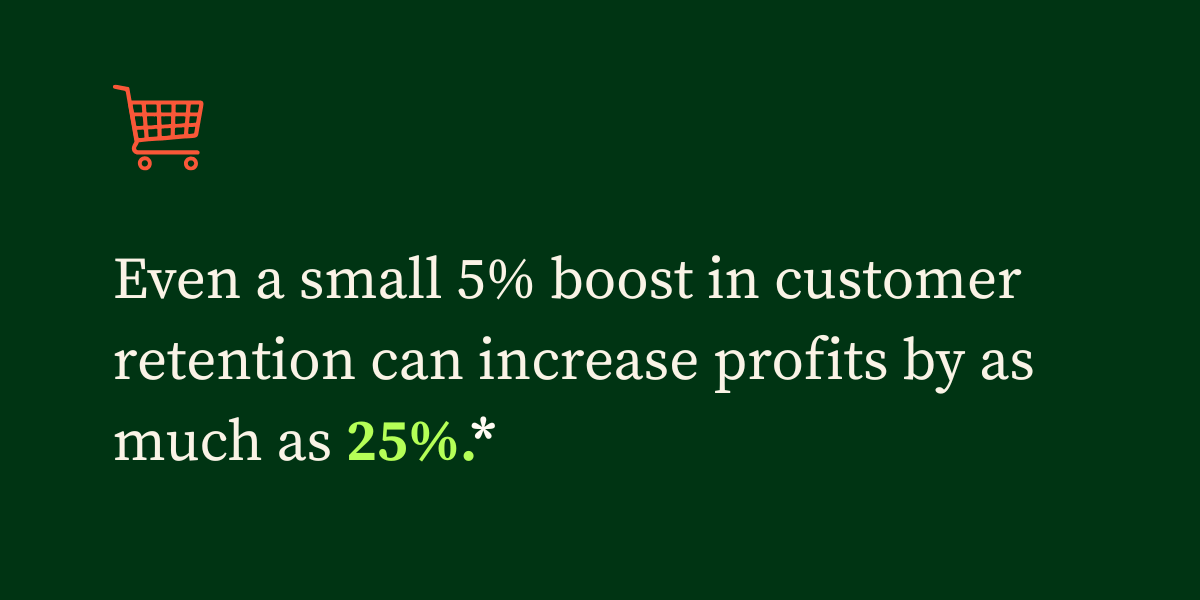
Running a natural food store means managing perishable inventory, loyal customers, vendors, and online orders — all at once, usually with a small team. Your repeat customers make up around 65% of your revenue. They notice when checkout is slow, when a favorite item is out of stock, or when your loyalty program doesn't work the way it should. Those small friction points add up, and a generic POS makes all of them harder to fix.
The reality is that a specialty store needs specialized tools. In this article, we’ll cover what to look for, how to evaluate your options, and a few of the best natural food store POS systems worth considering.
Why a Grocery-Specific POS Actually Matters
Switching to an industry-specific POS system goes beyond a simple technology upgrade — it changes how your store operates day to day. Here's where you’ll feel the difference.
Keep Regulars Coming Back
A large share of your revenue likely comes from repeat shoppers. The right POS system helps you build loyalty seamlessly into your daily operations by tracking rewards points and automatically applying perks, so you can run promotions without extra tools or manual effort.
Make Reordering Less of a Chore
Managing vendors and placing orders manually eats up time fast. A grocery-focused POS helps automate purchase orders, track supplier details, and send low-stock alerts based on what actually sells.
Cut Down on Waste
Spoilage happens, but it shouldn’t be a constant surprise. With real-time inventory (including weight-based items and custom SKUs), you get a clearer picture of what’s moving and what isn’t, so you can adjust before product gets tossed.
Get Better Visibility Into Your Store
Instead of relying on gut instinct, you can track what’s actually happening — from top-selling items to shrink and margins. This makes it easier to decide what to stock, what to promo, and where you’re losing money.
Support Online and In-Store Together
Online ordering, pickup, and delivery aren’t just for big chains anymore. A modern POS keeps your inventory in sync across channels so you don’t oversell or run into stock mismatches.
Curate a Smoother Checkout Experience
Whether it’s fast scanning, integrated scales, or flexible payments, the right setup keeps lines moving and transactions simple, which customers notice more than you might think.
All of this adds up to a system that works with your natural food store — not against it.
Related Read: Retail Grocery and Market Summit 2026: Key Takeaways and Innovations for Small Market Owners
Must-Have Natural Food Store POS Features
Natural grocers handle a wide variety of produce, perishable inventory, small local vendors, weight-based sales, and unique store departments. A one-size-fits-all solution won’t cut it.
Here are the features that make the biggest difference.
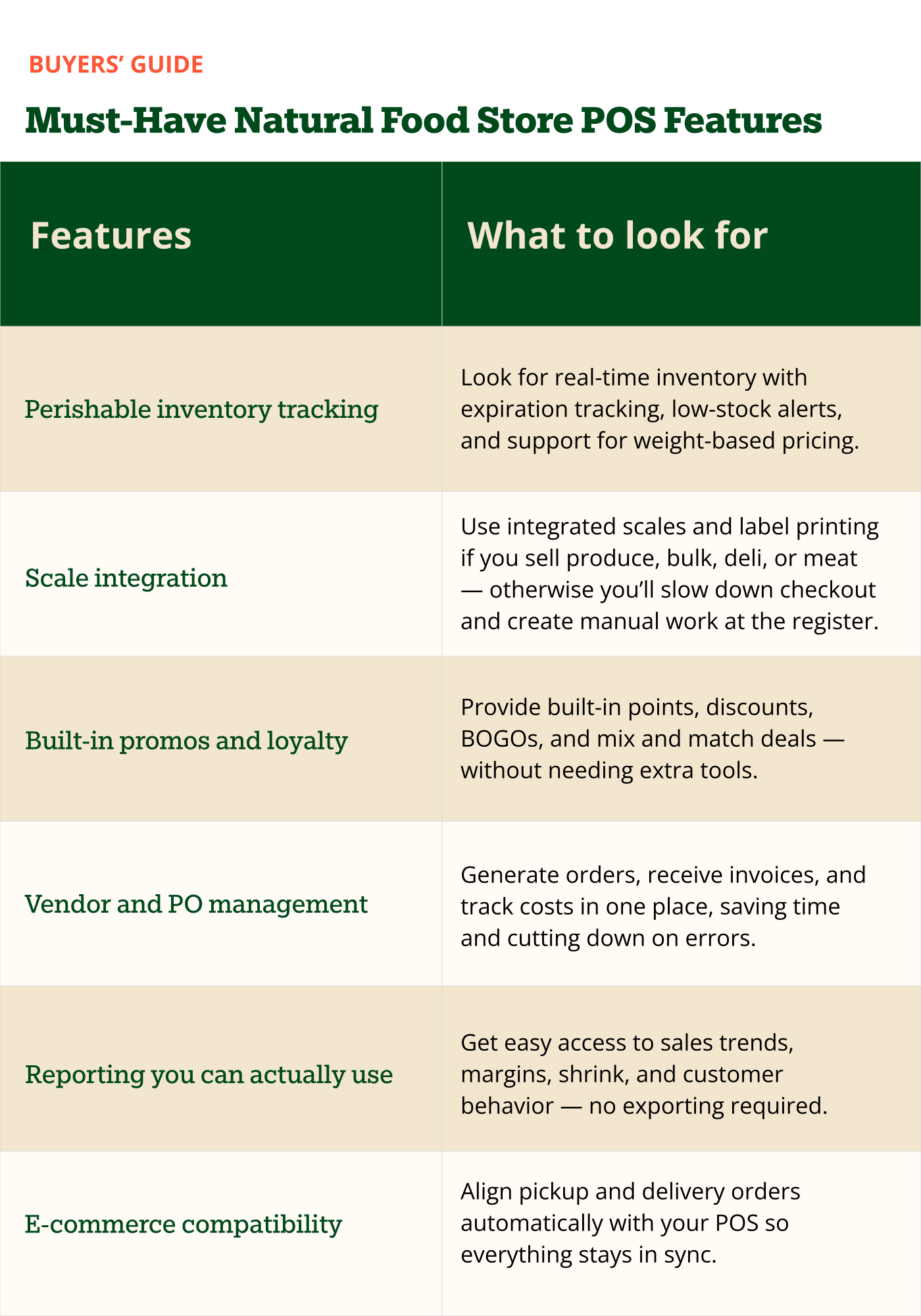
These are the features that separate a workable setup from one that truly supports your natural food store.

How To Evaluate a POS Provider
Whether you’re opening a new natural food store or upgrading an old system, choosing a technology provider can be an intimidating process. The right POS for you ultimately depends on your specific operation.
Before you start comparing vendors, work through these key steps:
- Start with your challenges, not a feature checklist. Document the operational problems you're trying to solve, whether that's inventory accuracy, checkout speed, loyalty program management, or reporting gaps. Vendors who understand your problems will show you solutions that actually fit.
- Schedule demos with multiple providers. Don’t just look at one system. Comparing a few side by side makes it much easier to spot what actually matters and what’s just marketing fluff.
- Ask for scenario walkthroughs. Request that vendors demonstrate the specific workflows your team handles daily, such as receiving a vendor invoice, setting up a BOGO promotion, processing an EBT transaction, or running a margin report. Generic demos hide implementation gaps.
- Verify hardware compatibility. If you have existing scales, scanners, or receipt printers you want to keep, confirm upfront that the software supports them. Being tied to certain hardware can end up costing you more than you expect.
- Balance cost against grocery-specific functionality. A cheaper general-purpose system will eat up staff time with workarounds for weight-based items, custom SKUs, and perishable tracking — and that costs you more than a purpose-built solution.
- Ask about onboarding and ongoing support. Implementation complexity and support quality vary widely. Understand what's included, what costs extra, and what happens when something breaks at 7 a.m. on a Saturday.
Above all, don’t feel pressured into an upgrade. You and your employees will use your POS system every day for years to come. If something doesn’t feel right, follow your gut and keep searching.
Related Read: 7 Online Grocery Delivery Challenges (and How To Overcome Them)
Natural Food Store POS: 5 Top Providers
There’s no “perfect” POS for natural food stores, but some systems are much better aligned with organic grocery operations than others. Below are a few options worth considering, depending on your store size, complexity, and growth plans.
1. Markt POS
Markt POS system is specifically built for food markets and grocery stores of all shapes and sizes. We built our solution specifically to track food sales (both prepared meals and shelf items) and to simplify your day-to-day.
Standout features:
- Integrated scales and automated weight-based pricing: Connect popular scale types like Zebra, CAS, and Datalogic to automatically calculate and apply accurate pricing for every weighted item across all departments.
- Tare weight management: Automatically deduct the weight of containers, packaging, and trays at the point of sale so customers are only charged for the product itself, keeping pricing accurate across your deli, butcher, and bulk departments — without manual adjustments.
- Grocery and prepared food management: Run both your quick-service restaurant (QSR) operations and standard grocery sales together by supporting hot bar, deli, and made-to-order items alongside traditional checkout.
- Flexible payments with EBT support: Accept EBT, SNAP, credit, debit, contactless, mobile wallets, and split tenders so every transaction moves quickly at the register.
- Built-in loyalty run promotions: Track customer points and rewards, enroll shoppers directly at checkout, and apply mix and match, BOGO, and other discounts without manual input.
Pricing: We work directly with small market businesses to create a plan that fits your needs and budget. Try our pricing configurator to get started.
Best for: Independent natural food stores, specialty markets, and food co-ops that need a purpose-built grocery system with strong perishable, scale, and hot food support
2. IT Retail
IT Retail is a long-standing POS platform built specifically for grocery stores, with a strong focus on inventory control and back-office operations. It helps established grocers manage complexity without overcomplicating daily workflows.
Standout features:
- AI-assisted invoice scanning: Update inventory instantly by scanning PDF, printed, or even handwritten invoices using optical character recognition (OCR) and AI, eliminating manual entry and reducing receiving errors across your operation.
- Robust grocery inventory management: Handle perishable items, weight-based products, and high SKU counts with detailed tracking and reporting.
- Flexible hardware compatibility: Support existing scales, scanners, and printers from popular brands including Zebra, CAS, Seiko, and Epson, so you're not locked into proprietary hardware.
- E-commerce and self-checkout: Integrate with Instacart and Mercato for online ordering and delivery, plus self-checkout support to reduce labor costs and keep lanes moving.
Pricing: IT Retail offers customizable pricing based on your hardware and software needs. Try their Build and Price tool to learn more.
Best for: Established independent grocers who want deep inventory control, AI-powered back-office tools, and the flexibility to use their existing hardware
3. Lightspeed Retail
Lightspeed Retail is a general-purpose POS that offers strong tools for growing businesses, especially those managing multiple locations. It works best for stores actively scaling operations across multiple locations.
Standout features:
- Supplier ordering via NuORDER: Access a wholesale supplier network to streamline ordering, compare product costs across vendors, and sync purchase orders directly with your inventory (most useful for stores ordering from brands within the NuORDER network).
- Multilocation inventory management: Track stock across multiple stores with centralized control and visibility.
- Extensive integrations: Access a large app ecosystem to extend functionality for accounting, e-commerce, and more.
Pricing: Plans start around $89/month (billed annually).
Best for: Growing natural food retailers managing or planning to expand across multiple locations who prioritize e-commerce and supplier ordering
4. Square
Square is a simple, cost-effective POS system designed for small and growing businesses. While it isn’t built specifically for grocers or natural food stores, it’s a strong fit for shops with a limited SKU count and straightforward operational needs.
Standout features:
- Customizable, easy-to-use interface: Get up and running quickly with an intuitive POS that’s easy to train on, while tailoring your screen layout so your most-used tools are always within reach.
- Built-in e-commerce and online ordering: Launch a webstore with ease and support pickup and delivery through integrated online sales tools.
- Flexible integrations and add-ons: Extend functionality by connecting to a wide range of third-party apps and services through Square’s robust ecosystem.
Pricing: Plans start around $49/month (hardware sold separately).
Best for: Small natural food stores with a limited SKU count, simple operational needs, and a tight budget that need to get up and running quickly
5. ECRS CATAPULT
CATAPULT Retail POS is designed for full-service grocery stores and co-ops, with deeper functionality around supplier syncing and compliance. It handles complex, high-volume operations at scale.
Standout features:
- Real-time supplier synchronization: Keep pricing and inventory aligned with suppliers through bidirectional data updates.
- Built-in loyalty programs: Support customer rewards and promotions directly within the system.
- 24/7 support: Access a U.S.-based support team available around the clock to help with issues.
- Variety of hardware setups: Configure your hardware to your store's needs using POS touchscreens, self-checkout stations, and automated kiosks.
Pricing: ECRS offers custom quotes. Contact them directly through their website for pricing.
Best for: Large-format natural food stores, regional co-ops, and high-volume operations that need enterprise-level functionality and unified commerce across every retail touchpoint
Ready To Upgrade Your Natural Food Store POS?
Finding the perfect natural food store POS for your business doesn’t have to feel overwhelming. Any short-term stress from switching systems will melt away once you're running on something actually built for the way you sell.
Markt POS was built specifically for the needs of small food markets and specialty grocers. With easy ways to update inventory, track perishable items, and sell products by weight, we help simplify how you run your business.
Check out our pricing plans — starting at $49/month — and use the configurator to find the right fit for your store's size and needs.


As the product manager of Markt POS, Joel brings a decade of grocery retail experience. He helps grocery store owners take advantage of cutting-edge point of sale technology and is committed to helping them succeed. Joel writes extensively about improving inventory management processes — something every grocer struggles to perfect.