







How To Speed Up a Grocery Store Checkout Line: 9 Tips & Tools
Independent grocery stores are entering a new era — one where fresh, ready‑to‑eat meals aren’t just an add‑on, but a proven way to compete with restaurants, fast‑casual chains, and even large retailers.
As restaurant prices rise and consumer habits shift toward convenience and value, the grocerant model is gaining momentum. Small markets now have an opportunity to deliver convenient, high‑quality meals at a price point customers can justify.
And the numbers prove this isn’t just a passing trend.
Prepared foods are one of the fastest-growing segments in retail foodservice. In 2024 alone, the category reached $50.9 billion, with over 70% of consumers purchasing grocery‑prepared meals within 90 days. Even more compelling? Prepared foods often generate margins of 50%+ compared to the tight margins on packaged grocery items.
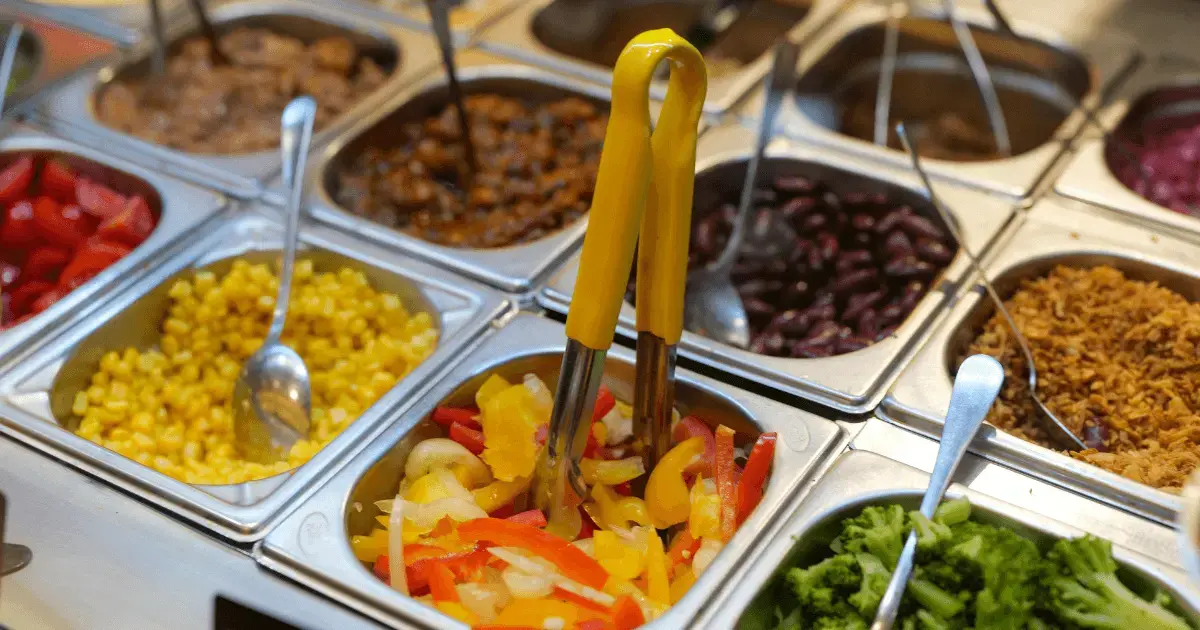
For many independent grocers, hot food is now a reliable driver of foot traffic. Customers stop in for a quick, affordable lunch, and return later to shop for groceries. This dual‑purpose model helps independent markets compete directly with restaurants.
Hot food brings customers in. Groceries bring them back. Together, they create a sustainable, high‑margin revenue mix your store can build on.
Why Leaning Into Hot Meals Works for Independent Grocers
Hot food programs are growing fast, and for good reason. They give small markets a competitive edge that traditional grocery offerings simply can’t match. Prepared foods deliver profit margins far higher than packaged goods, and they attract customers during times when grocery traffic is typically slow.
But the benefits go beyond margins. Hot meals help you:
- Increase foot traffic during nonpeak hours, especially lunchtime.
- Compete directly with restaurants and fast‑casual chains, not just other grocers.
- Strengthen your community identity, particularly for specialty and international markets.
- Create natural cross‑selling opportunities using ingredients already in stock.
- Reduce shrinkage by using perishable items in prepared dishes.
Consumer behavior is shifting, too. With restaurant prices rising and shoppers looking for convenient meals without the markup, grocery‑prepared foods are filling a major gap. Specialty markets are especially well‑positioned, as they can offer authentic, high‑quality meals that big chains can’t replicate — using the same ingredients customers already trust.
Explore the full trend breakdown in the Markt POS Grocery Retail 2026 Report.

Fresh Food Is Helping Small Grocers Compete Directly With Restaurants
This trend is especially powerful for international markets, butcher shops, seafood markets, and specialty stores — businesses that already excel at offering specialty ingredients and cultural authenticity.
Imagine offering a unique shopping experience like this:
- A Hispanic market serving fresh burritos, tamales, and rice bowls made with the same ingredients sold on the shelves
- A butcher shop offering hot sandwiches, smoked meats, or daily lunch plates
- A seafood market serving fried fish baskets or chowders during lunch hours
- A co‑op offering farm‑to‑fork meals, such as soups, salads, and hot bar items
When you prepare food using the same ingredients you sell, it reinforces trust, showcases quality, and gives customers a reason to return.
Many stores also find success with hybrid models: bustling lunch crowds during the day, followed by steady grocery traffic in the evening. This approach maximizes space, staff, and inventory while creating a consistent flow of customers throughout the day.
Related Read: Why Food Service Is Becoming a Must-Have for Independent Grocers
New Business Models Emerging From Hot Food Programs
Hot meals do more than simply add revenue. They also open the door to entirely new business models, such as:
-
Hybrid grocery + café seating: Even a small seating area (four to six tables) can increase lunch traffic and encourage customers to grab groceries on their way out or return later for traditional shopping, ultimately improving inventory turnover.
-
Meal subscription programs: Weekly hot meal bundles or rotating specials create predictable, recurring revenue and help customers build a routine around your store.
-
Catering for local businesses: If you already have a kitchen, catering becomes a natural extension. Offices, schools, and community events are always looking for reliable, local food options.
-
Grab‑and‑go coolers: For stores without full kitchens, grab-and-go items like sandwiches, salads, bowls, and other heat‑and‑eat meals are great options to start with.
-
Cross‑selling opportunities: Offering meals cooked using your store's ingredients doubles as the perfect advertisement for what’s on your shelves: “Loved the burrito? Here are the tortillas, spices, and beans we used.”
Together, these approaches transform your store from a simple retail stop into a daily destination — driving repeat visits, increasing basket size, and strengthening your role in the local community.
Tips for Grocers Who Want To Add Hot Meals
Launching a hot food program doesn’t have to be overwhelming. With the right pricing, technology, layout, and grocery store marketing strategy, even small stores can build a profitable, high‑demand offering that keeps customers coming back. Here’s how to set yourself up for success.
Pricing Strategies That Protect Margins
Prepared foods can deliver significant profit margins, but only when grocery store pricing is intentional and aligned with your existing inventory strategy. Here are a few ways to protect your bottom line:
- Use cost‑plus pricing based on existing inventory. Since you’re already purchasing ingredients for retail, prepared meals help you maximize every carton‑pack, case break, and perishable item.
- Offer bundle deals (meal + drink + snack). Bundles increase average order value and help move complementary items such as beverages, chips, and bakery goods.
- Use loyalty programs to reward repeat lunch customers. A point‑based system encourages customers to return multiple times a week, especially during lunch hours.
- Track ingredient costs closely to avoid shrinkage and dead stock. Prepared foods are one of the best ways to use ingredients approaching expiration. First in, first out (FIFO) is essential.
- Adjust pricing based on demand patterns. For example, offer late‑afternoon discounts to reduce waste and increase daily sell‑through.
A hybrid model that includes grocery plus hot food requires a point of sale (POS) that seamlessly manages both sides of the business. Your grocery store software system should support:
- Grocery items and menu items in the same transaction
- Modifiers (extra salsa, add avocado, etc.)
- Kitchen printers or KDS systems
- Scanner scale support
- Inventory tracking for both raw ingredients and prepared meals
- Self‑checkout for busy lunch hours
- AI-assisted invoice scanning
A grocery POS system with built-in quick‑service restaurant (QSR) capabilities makes this hybrid model much easier to manage, while generic POS systems aren’t equipped to handle both groceries and hot meals.
Systems designed specifically for grocery environments handle the unique needs of both sides of the business, from case breaks and expiration tracking to mix and match pricing and ingredient‑level inventory.
Layout and Store Design Tips
Your layout should make hot food easy to find, easy to grab, and easy to buy. Here are a few ways to optimize your space:
- Position hot food near the entrance for visibility. Customers walking in should immediately see (and smell) what’s cooking.
- Use endcaps to promote grab‑and‑go items. Endcaps are prime real estate for showcasing daily specials like a "Soup & Sandwich Combo" or a "Fresh-Made Burrito of the Day" — ready‑to‑eat meals that move fast during the lunch rush.
- Keep front‑ and back‑of‑house workflows simple and efficient. Staff should be able to move between prep, packaging, and checkout without bottlenecks.
- Add signage highlighting “Made Fresh Daily” or “Farm‑to‑Fork Specials.” Clear messaging helps customers understand the value and freshness of your offerings.
- Create a dedicated pickup area for hot meals. Even without seating, a designated pickup zone speeds up lunch‑hour traffic and reduces congestion.

Marketing Tips To Grow Your Hot Food Program
A strong hot food program needs strong visibility. Here’s how to build demand:
- Promote daily specials on social media. Share mouth‑watering photos of dishes like burritos, soups, or hot sandwiches to capture attention and boost engagement.
- Offer first‑time customer discounts. A simple “$1 off your first hot meal” can convert curious shoppers into regulars.
- Highlight authenticity with family recipes, local ingredients, or cultural specialties. This is where small grocers shine. Tell the story behind the food.
- Use sampling to introduce new dishes. A small bite can turn a hesitant shopper into a buyer.
- Add hot meals to your e‑commerce menu for buy online, pickup in store (BOPIS) orders. Many customers want to order lunch online and pick it up quickly.
- Promote ingredient tie‑ins. If someone loves your burrito, show them the tortillas, spices, and beans that go into it.
Don’t Have a Kitchen? You Can Still Join the Trend
A lack of a full kitchen is one of the top reasons small grocers hesitate to offer hot meals, but it doesn’t have to be a barrier. You don’t need a full kitchen to get started.
Alternatively, you can:
- Partner with local restaurants or food trucks. Bring in rotating partners who prepare meals off‑site. You handle the retail, they handle the cooking.
- Sell preprepared meals from local chefs or caterers. Many chefs are looking for retail outlets for their dishes. This gives you high‑quality meals without the labor.
- Use commissary kitchens for off‑site prep. Commissaries allow you to produce meals in a licensed kitchen and package them for in‑store sale.
- Start with cold prepared foods. Salads, sandwiches, wraps, and bowls require minimal equipment and can still drive strong margins.
- Add a small hot case later as demand grows. Once you understand what sells, you can expand into hot offerings with minimal risk.
- Leverage your existing ingredients. Even without cooking, you can assemble meal kits or ready‑to‑heat options using products already in your store.
The key is to start with what you can manage, build demand, and scale your QSR offerings as your customer base grows. Hot food doesn’t have to be all or nothing — even a small, strategic offering can significantly expand your traffic patterns and boost profitability.
Hot Food Is the Future of Independent Grocery
Hot meals are quickly becoming one of the most effective ways for independent grocers to stand out in a crowded food landscape. As consumer habits continue to shift toward convenience and value, hot food programs give grocers a way to meet those expectations without sacrificing identity or quality. They help reduce shrinkage, improve margins, and turn everyday ingredients into something memorable.
Related Read: Corner Store Business Plan: 5 Things To Include
Get in on the Hot Food Trend
If you’re ready to build a hot‑food program that’s efficient, profitable, and easy to manage, the right tools can make all the difference. Choosing a POS system designed for grocery and QSR workflows helps streamline operations, reduce complexity, and support growth as your menu and customer base expand.
See how Markt POS helps specialty markets grow with fresh food, delivery, and modern checkout. Explore plans and pricing options to find the best fit for your store today.


As the product manager of Markt POS, Joel brings a decade of grocery retail experience. He helps grocery store owners take advantage of cutting-edge point of sale technology and is committed to helping them succeed. Joel writes extensively about improving inventory management processes — something every grocer struggles to perfect.