







How To Speed Up a Grocery Store Checkout Line: 9 Tips & Tools
The line between restaurant and grocery store is blurring.
Not long ago, if you didn’t feel like cooking, your only alternative was to pick up fast food or go to a restaurant. But even fast-food options aren’t cheap anymore.
The average fast food meal (for one person) now costs around $12. Going out, even at an inexpensive restaurant, costs about $16 per meal per person.
People are looking for healthier, more cost-effective options for ready-to-eat meals, and specialty grocery stores that can provide convenient food options stand to profit.
Here are four reasons why your small grocery store can increase sales and customer loyalty by expanding food service options in 2026.
1. Grocery Stores Are Competing Directly With Restaurants (Not Just Other Grocery Chains)
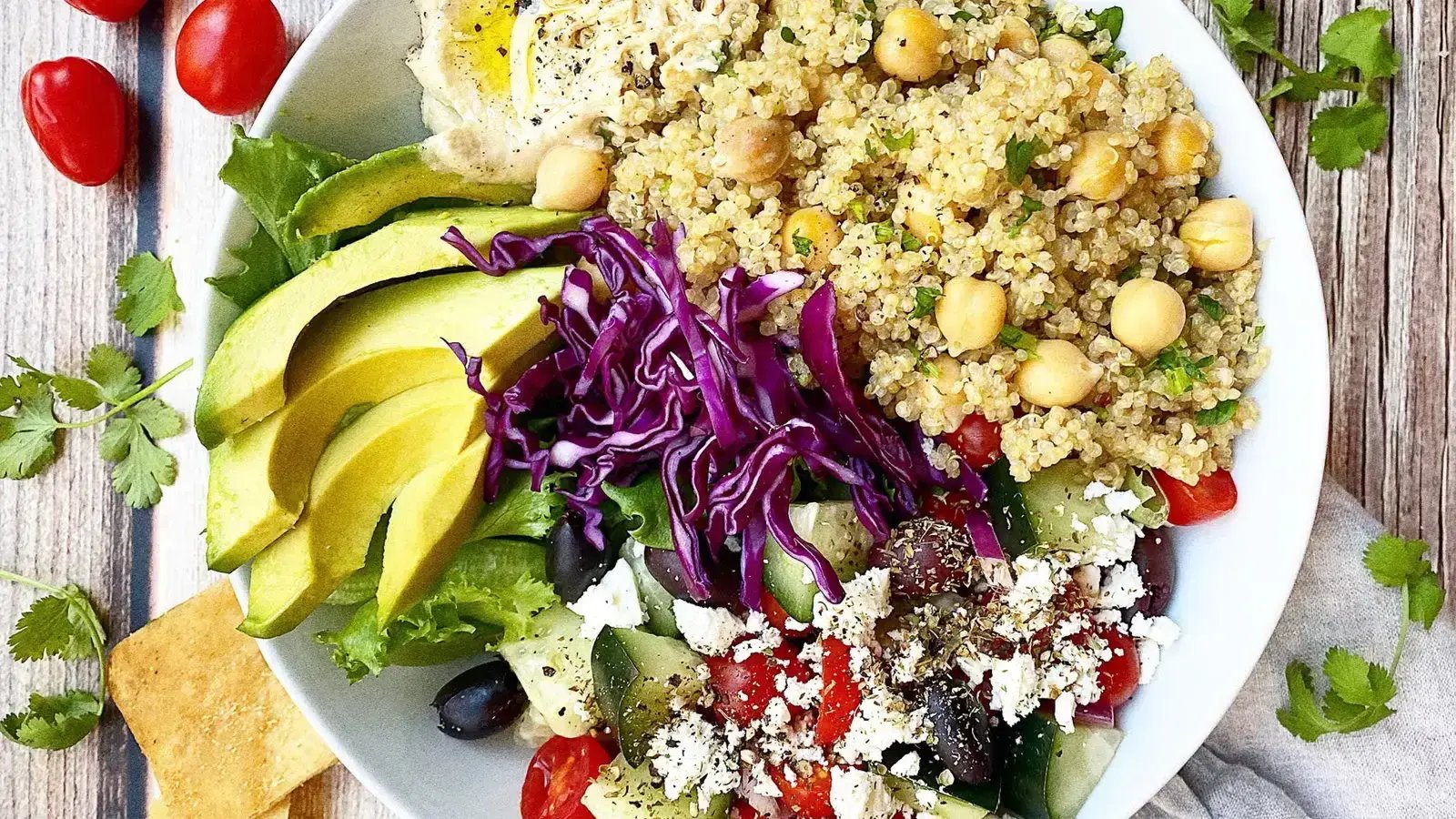
Until recently, the food items at a grocery store’s deli or quick-service restaurant (QSR) mostly competed with other grocery stores. Not anymore.
About 28% of shoppers choose meals from grocery stores instead of traditional takeout (up 12% since 2019). It’s obvious Americans' attitude towards grocery store meals is changing. They no longer see them as lower-quality (but convenient) alternatives to eating out, but as real competitors.
Many specialty grocers already source their stock from high-quality local suppliers. Combine that with in-house chefs and cooks, and your grocery can offer restaurant-quality food at a fraction of the cost.
Convenience still plays a major role in the rise of food service sales at grocery stores. Busy families love the option to do their grocery shopping for the week and grab a delicious meal at the same time.
Some grocery stores are leaning into the restaurant comparison even further, remodeling their stores to emphasize their food service options and create more communal dining spaces. One store owner reported seeing a 20–30% sales boost just three weeks after renovating their store.
Traditionally, grocery stores put their deli and grab-and-go meals toward the edge of the store. If you have a wealth of food service items, consider adjusting your store layout to put them front and center.
Related Read: Grocery Prepared Foods: 5 Meal Trends (+Grocerant Management Tools)
2. Hybrid Meals Are on the Rise
Grocery meals aren’t all or nothing.
In fact, over half of American shoppers take a “hybrid” approach to shopping: getting a mix of items to cook at home and picking up prepared meals. For example, preparing a chicken pasta dish yourself and grabbing a salad and a side from the deli.
Having a variety of sides like salads, potato dishes, appetizers, marinated meats, and other small plates is an excellent option for capturing these hybrid customers.
Hybrid food shoppers look for a balance of convenience and quality, so use signage that emphasizes both cost savings and quality for best results. Give suggested food pairings (and even recipes) that incorporate your ready-to-eat options.
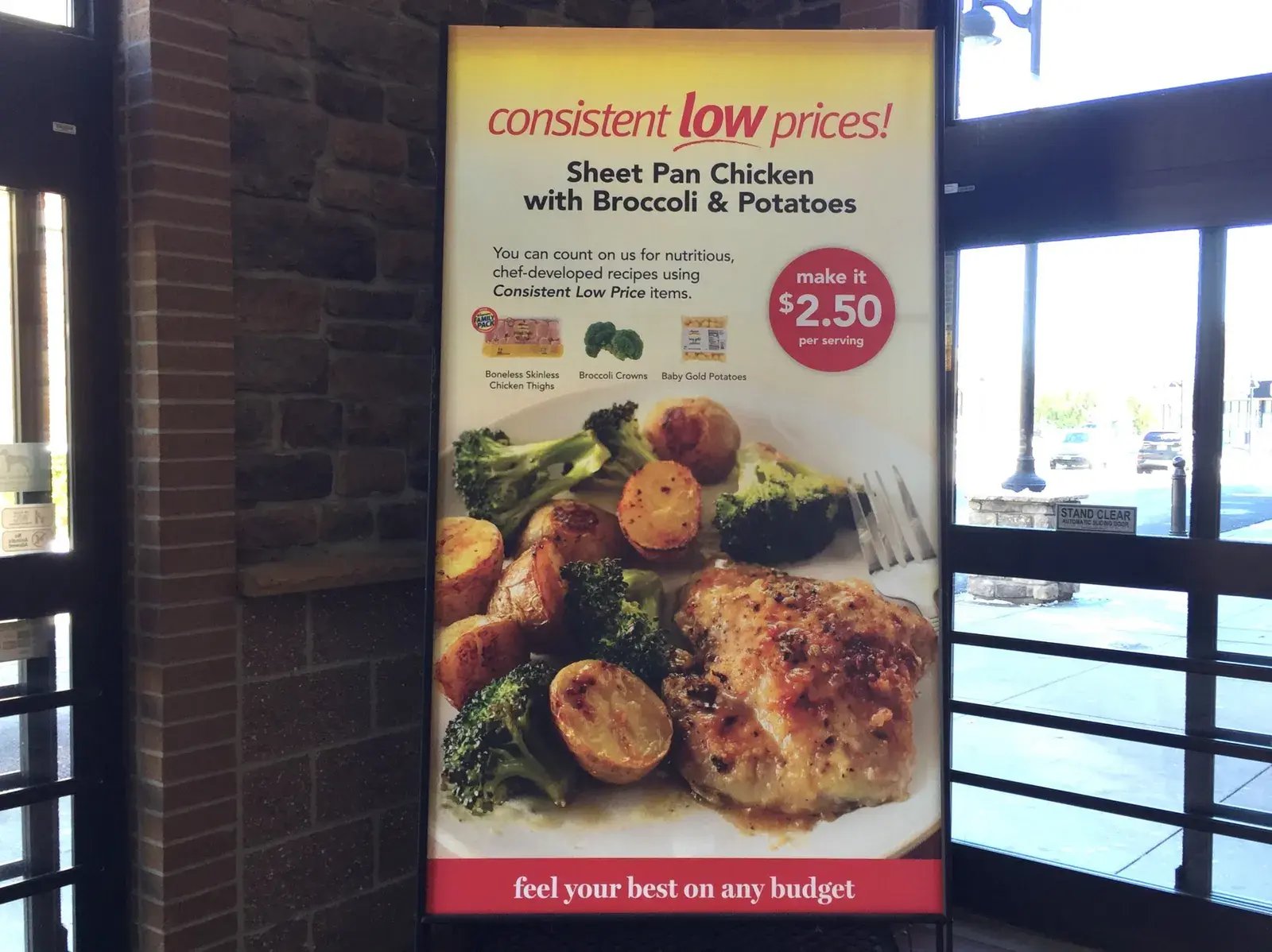
An example of signage from Wegmans. Image source: Grocery Dive
Selling meal kits with preportioned ingredients and included recipes is another way to capitalize on this segment of customers. Signage that shows the average cost per serving is particularly effective for budget-conscious shoppers.
3. Emphasizing Ready Meals Can Boost Sales
For many grocery stores, food service items aren’t the main event. They’re treated more like a convenient side offering.
But specialty food markets and grocery stores often have high-quality ready meals that easily rival or beat their big-box competitors. Emphasizing these items in your marketing and store layout is a surefire sales-boosting tactic.
Personalize your marketing by using your customer loyalty data to appeal to different segments of shoppers. For example:
- Announce new food items to customers who frequently buy ready-made meals.
- Send messages with popular food items and the price per serving to bulk shoppers or people who tend to do large weekly shops.
- Create lunch deals and advertise them to shoppers who’ve shopped at your store between 11 a.m. and 2 p.m. within the last two weeks.
You can also show off your meals, ingredients, and chefs in your store’s social media and digital marketing.
Don’t just focus on price in your marketing. Many customers choose more expensive specialty grocers because of quality, not cost.
If food service items sell well, consider moving your food counters toward the front of the store so customers see them faster.
Americans are noticing that food from many restaurants and big chains tastes the same. To keep costs down, many corporate chains work with massive distributors that provide roughly the same product to delis and grocery food service counters across the nation.
That’s not the case for most independent, family-owned grocery stores and international food markets.
When creating a deli and ready-meal menu, create a mix of popular staples and unique offerings that customers can’t find anywhere else. If those unique food items get popular, then customers might start coming back just to taste them again.
Start slow, and use the sales reports on your point of sale (POS) system to keep track of which items your customers love the most. Then, update your menu based on what’s selling best.
Generally speaking, the more unique and high-quality your ready-to-eat items are, the more you can charge. As long as customers feel they get good value for their money, you don’t have to price your food super low to compete with a big-box store like Kroger or Target.
Manage Your Food Service and Grocery Operations All in One Place
Food service is a must-have for independent grocery stores — but it shouldn’t come at the expense of a great grocery shopping experience.
To increase your food service sales without sacrificing what makes you special, you need a system that can handle all aspects of your store.
Markt POS is trusted by grocery stores, butcher shops, international markets, and other specialty grocers to help run every aspect of their business.
With advanced inventory management, including perishable food tracking and sell by weight functions along with QSR and order management, Markt POS has everything you need to sell ingredients on the shelves or a hot meal ready to order.
Schedule a personalized demo today to see how Markt POS can help you offer food service at your grocery store with confidence.


As the product manager of Markt POS, Joel brings a decade of grocery retail experience. He helps grocery store owners take advantage of cutting-edge point of sale technology and is committed to helping them succeed. Joel writes extensively about improving inventory management processes — something every grocer struggles to perfect.