





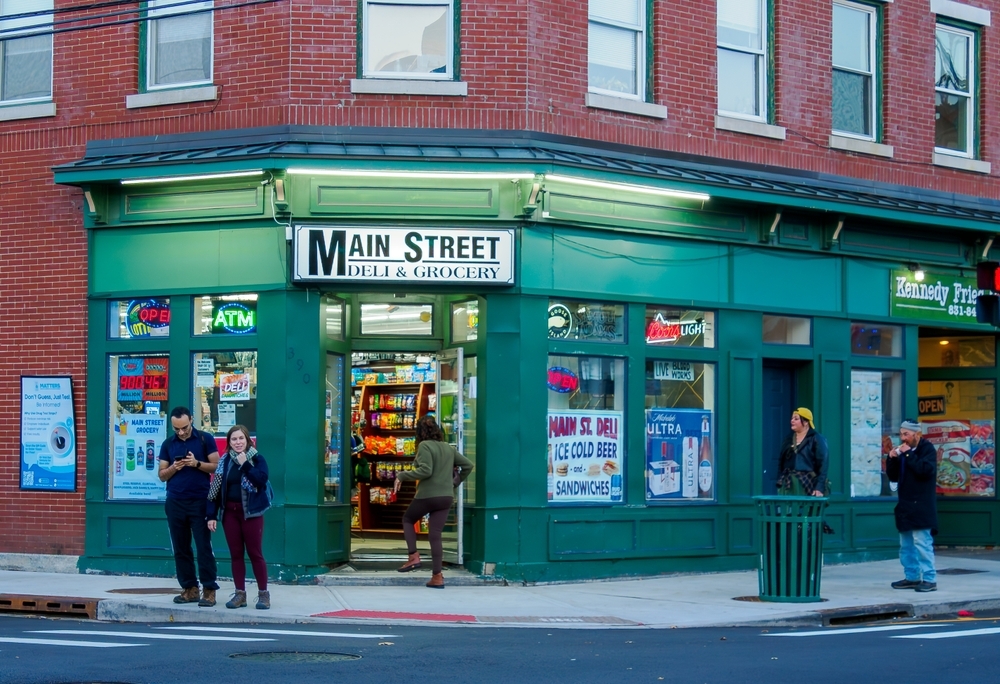


Opening a corner store can be a smart way to serve your local community while building a steady, repeat-customer business. From quick snack runs to last-minute essentials, these stores thrive on convenience.
But convenience alone isn’t enough to guarantee success.
Many online guides cover the basics, but they stop short of showing how to actually execute — how to choose the right location, stock the right products, and design a store that runs efficiently from day one.
That’s where a well-structured corner store business plan helps you make smarter decisions early, from site selection to product mix to store layout, so that you can create a shopping experience built for speed.
Corner stores remain a major part of the retail landscape. According to the National Association of Convenience Stores (NACS), the U.S. had 151,975 convenience stores in 2026, and 63% of them were operated by a single store owner rather than large chains. That means opportunity is still there — but only for operators who plan carefully.
Here’s how to build a corner store business plan that actually works.
1. Choose a Location That Drives Daily Traffic
Site selection is one of the most critical decisions you make when starting a corner store. Because these shops depend on frequent, small purchases, the surrounding neighborhood and daily traffic patterns affect your revenue potential.
Your corner store business plan should clearly explain why a specific location can support another convenience retailer. That means evaluating both customer demand and how easily people can access your store.
When assessing a potential site:
-
Target dense residential areas with apartments, student housing, or mixed-use developments that generate steady foot traffic.
-
Study nearby commuter routes, including transit stops and busy intersections that capture rush-hour purchases.
-
Evaluate local competition and avoid areas dominated by supermarkets or grocery stores.
-
Consider traffic flow and accessibility, since customers are less likely to stop if entry or parking is inconvenient.
According to NACS, there is one c-store for every 2,100 people in the U.S., but no two locations serve the same customer mix. Understanding who will walk through your door — and when — is key.
A strong location strategy doesn’t just identify a spot on the map. It demonstrates how your store will attract consistent, daily traffic.

2. Build a Product Mix That Fits a Small Space
Corner stores usually operate in spaces under 2,500 square feet, which means every shelf needs to earn its place. Your corner store business plan should outline a focused product mix built around fast-moving, grab-and-go items.
Most corner stores carry a limited assortment — often around 500 SKUs — making category prioritization essential.
To allocate shelf space around high-demand, fast-moving categories:
-
Stock everyday grocery staples such as milk, bread, eggs, and cereal.
-
Offer popular snack items like chips, candy, granola bars, and packaged pastries.
-
Provide refrigerated beverages, including soda, bottled water, sports drinks, and iced tea.
-
Supply small personal care essentials like travel-size toiletries, basic medications, and hygiene items.
It’s also important to consider projected profit margins when planning your mix. For example, salty snacks can average margins around 38%, while packaged beverages may reach about 43%, making them consistent high-performing categories.
By clearly defining these core offerings, you ensure limited shelf space is dedicated to products customers buy most often. Once the store is up and running, sales data helps you refine your assortment and identify which items deserve premium placement.
3. Plan for Perishables Without Losing Profit
Fresh food is a growing part of convenience retail. Industry data shows that nearly 77% of stores now offer fresh fruits and vegetables, and about 57% carry items like salads to meet demand for quick, ready-to-eat options.
For a corner store, adding fresh products can attract repeat customers, but it also introduces risk. Without careful planning, spoilage and expired inventory can quickly eat into your margins.
Your corner store business plan should clearly outline how you’ll manage perishables.
Here’s how to build your approach around practices:
-
Start with smaller quantities to test demand before expanding your fresh selection.
-
Rotate inventory regularly so older products sell before newer deliveries.
-
Track expiration dates in your point of sale (POS) system to reduce waste.
-
Work with suppliers that can offer smaller, more frequent deliveries.
Shrinkage is a real concern. In grocery retail, it accounts for roughly 2.5% of total revenue, with spoilage and expiration contributing to those losses.
For corner stores, careful perishable management is essential to protecting already slim margins.
4. Create a Fast, Convenient Shopping Experience
Speed and convenience are what set corner stores apart from larger retail formats. Today’s customers aren’t just stopping in for snacks — they’re often looking for quick, ready-to-eat meals.
Prepared food is one of the fastest-growing categories in small-format retail. Industry data shows that foodservice accounts for nearly 28% of convenience store sales but close to 39% of gross margin dollars, making it one of the most profitable segments.
Capture this demand by offering options:
-
Introduce fresh sandwiches or wraps to attract nearby workers during lunch hours.
-
Offer hot grab-and-go foods such as breakfast sandwiches, pizza slices, or heated snacks for commuters.
-
Add lighter snack options, such as yogurt cups, fruit, or salads, for customers seeking quick, healthier choices.
-
Install a coffee or hot beverage station that encourages repeat visits throughout the day.
Including prepared foods in your corner store business plan can show how the store will expand beyond packaged snacks and beverages while increasing average order value.
5. Design a Store Layout and Checkout Experience Built for Speed
Customers choose corner stores for quick, easy purchases. If they have to search for products, navigate crowded aisles, or wait in long lines, they’re less likely to return.
Your corner store business plan should clearly outline how the space supports fast, frictionless shopping from entry to checkout.
Here are a few ideas to design your layout:
- Place drinks, snacks, and grab-and-go items near the entrance for immediate visibility.
- Keep aisles open and easy to navigate by avoiding cluttered displays or blocked pathways
- Use clear, simple signage to help customers locate products quickly.
- Position small add-on items like candy, gum, or lighters near the register to encourage impulse purchases.
- Install a checkout system that processes transactions quickly and accepts multiple payment methods.
A well-designed layout doesn’t just improve flow — it shortens visit time while increasing basket size, helping you serve more customers without slowing down operations.
Bring Your Corner Store Business Plan to Life With the Right Tools
Opening a corner store requires thoughtful decisions about location, product mix, and how customers move through your space.
Technology plays a key role in making those decisions easier. From managing inventory to processing payments and tracking sales trends, the right system helps you run your store more efficiently from day one.
Markt POS gives corner store owners the visibility they need to track top-selling products, restock efficiently, and keep checkout moving quickly. With detailed sales reports, low-stock alerts, and built-in loyalty tools, you can make smarter decisions while encouraging repeat visits.
Schedule a demo with Markt POS to see how the right system helps you execute your corner store business plan with confidence.