

“Welcome!”
Create an Atmosphere Your Customers Will Love
Ever walk into a store, and everything just feels right? That’s not luck but the result of careful store planning.
Most butcher shops are in smaller storefronts, so maximizing the value of every inch of available space is essential.
Click on each element of butcher shop design below for tips on creating an atmosphere your customers will love:

Display cases
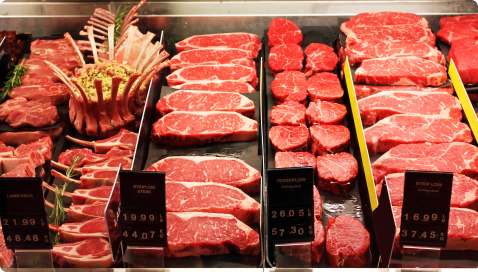
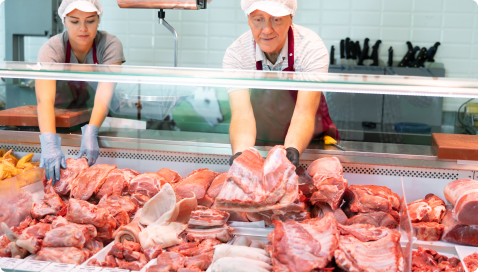
Put your most popular cuts and current pre-made specials front and center in your display cases. Use the reports on your point of sale (POS) system to identify your bestsellers.

Payment and service area
Create an area to the side of your display cases to ring up customers without impeding staff or other customers.

Lighting and materials
Avoid harsh lighting and use wood and other handcrafted materials to create a more homely, welcoming atmosphere.

Freezers
Keep specialty or bulk items in freezers around the outside of the store. Make sure freezers are well labeled so customers can find exactly what they’re after.

Scales and barcode printers
Place a scale (or scales for larger shops) on top of the display cases to weigh out meats. Use scales that integrate with your POS system to print barcodes for quick checkout and accurate inventory tracking.

General goods
Place a few shelves near the center of the store to promote cross-selling of spice mixes, sauces, fresh pasta, and more. This also gives customers something to browse while they wait for service.

Helpful signage
Help customers navigate your selection with large signs that list available cuts, specials, and other useful information.
Know Your Niche
Stand Out With Specialty Services
The layout of your store is only one piece of the puzzle. Knowing what kinds of products and services will make your shop stand out is essential for long-term success.
Unique offers to make your butcher shop stand out:

Custom cuts and trimming
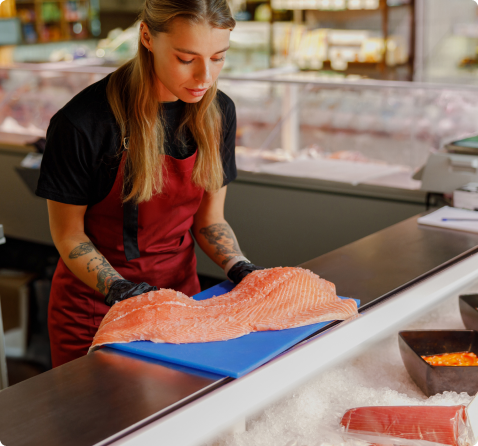
Offer to cut steaks to preferred thickness, debone and trim cuts, tie roasts, and more.

Grinding meat
Grind meat on request for burgers, sausages, and other blends.

Ready-to-cook items
Take the stress out of meal prep by selling dry-rubbed steaks, pre-assembled lamb skewers, and other ready-to-cook items.

Recipes and guidance
Inspire customers to try something new with recipes and preparation guidance.

Special orders
Work with your suppliers to provide customers with special orders for goose, venison, game hen, or other meats you don’t regularly stock.
The Right Tools for the Job
Choose and Maintain Equipment
A butcher is nothing without their tools. Ensure you have everything you need (and keep it all in pristine condition).

Quality knives and sharpeners
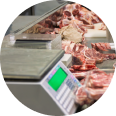
Scales and barcode printers
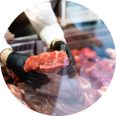
Display cases and freezers
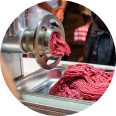
Grinders and slicers
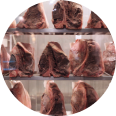
Walk-in fridge and freezer
Maintenance and Cleaning Tips
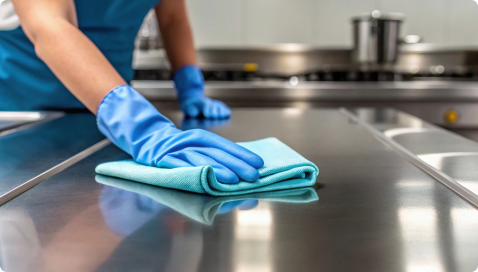
Remember, a clean environment is a safe environment. If you're doing your job right, there should be no lingering odors in your shop.

Clean work surfaces, floors, and tools daily with hot water and enzymatic cleaners
Lubricate machines with food-grade mineral oil daily after cleaning
Clean your display cases, and freezers on the floor weekly
Clean walk-ins and freezers monthly or at least once a quarter
Regularly check temperatures of freezers and fridges to ensure they meet food quality standards
Taking Stock
Master Meat Inventory Management
Butchers have to keep track of an extensive range of unique cuts from different animals that vary significantly in weight and size. This can make butcher shop inventory management overwhelming (and error-prone) when done by hand.
Instead, use industry-specific tools and take a smarter approach to your inventory management to make better decisions, avoid stockouts, and maximize profits.
Click on each topic for more details.
Essential Butcher Shop Inventory Management Tools
You'll need a few essential tools to effectively manage inventory in your butcher shop.
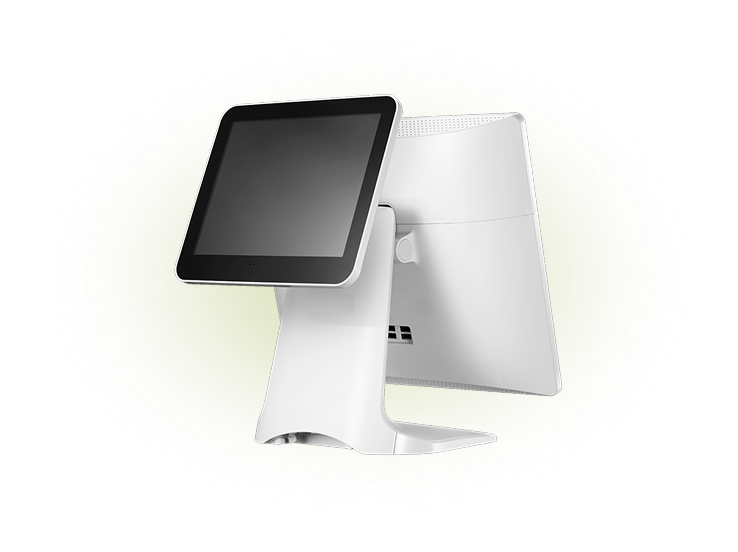
- A POS system that supports custom SKUs and weight-based inventory management (a.k.a. sell by weight, catch-weight, or yield cut) to allow for precise pricing of actuals.
- Integrated scales to weigh items and price them automatically based on the SKUs you’ve input.
- Label printing systems to label and price custom pre-made items or items in your freezers. Labels will also help speed up checkout for on-demand items.
- Inventory management software to create custom SKUs for particular cuts, track weights, view reports, and gain visibility into your stock. Most specialized POS systems have inventory management software built in.
Combined, these tools will drastically simplify how you keep track of your meat and general products while giving you the data you need to make better decisions.
Follow Butcher Shop Inventory Best Practices
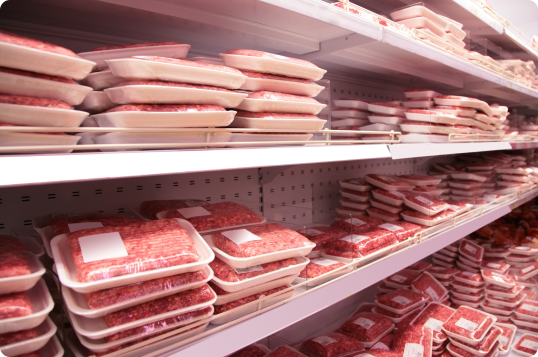
Most butchers manage inventory by sight, seeing what’s on the shop floor, remembering when items were put out, and discounting as they go. While this can work at first, it can get more challenging as your business grows.
Avoid common missteps by following these butcher shop inventory best practices:
- Ideally, after you process an animal, input how many cuts you have and the average weight for that type of cut into your inventory system. This will give you an exact number of remaining items (and a good idea of the total weight) left in inventory.
- To avoid food waste, use the first in, first out (FIFO) method. Simply put, FIFO ensures that steaks from a quarter of beef you butchered on Monday are sold before any steaks you prepared later in the week.
- Do regular inventory counts to know exactly what’s left on the floor and what items need to be discounted or removed. Inputting approximate expiration dates can also help you keep track of any items that need to be sold without manually counting them.
Maintain Good Relationships With Suppliers

Whether you source from local farms, meat packers, wholesalers, or a combination of all three, it’s vital to maintain good relationships with your suppliers. Here are our top tips for managing your relationships:
- Focus on partnering with suppliers that take pride in raising high-quality animals.
- Set low stock alerts on your butcher shop POS system based on each supplier’s lead time to avoid stockouts and delays (this can be done automatically by tracking cuts and weight in your system).
- Maintain good relationships to negotiate better pricing. The more business you give them, the more likely they will give you favorable prices.
Customers of local butcher shops expect higher quality than a grocery store, and the suppliers you work with will go a long way to delivering on that expectation.
Simplify Butcher Shop Inventory
See how the right meat market POS system can simplify inventory management.

Minimum Requirements To Run Your Business

Business license and EIN

Health department permit

Meat handler’s license*

Sales tax permit

Building and zoning permits

Liability insurance

HACCP Certification**
The Dream Team
Hire and Retain Exceptional Staff
You may have the skills, the drive, and the business sense to run a butcher shop, but you can’t do it alone. Here are some tips for hiring (and keeping) great staff.
Hire and Train Your Staff
Take the extra time to hire and train the right people. Create a clear job description with all of the responsibilities, and honestly list the pay. Don’t just focus on finding people with the perfect skillset — skills can be learned. Instead, try to look for passionate people who understand your mission and the value of good customer service.
Organize Your Team
Define clear roles for your staff. While there’ll be a certain amount of shared work in a small business, ensure that crucial tasks are assigned to specific team members. Last, ensure you’re well-staffed by using your POS system reports to understand your peak hours.
Create a Friendly Workplace Culture
Hiring excellent employees is important, but retaining them is crucial. Hold regular meetings to improve your work processes, recognize great work, and come up with new ideas. The more invested your employees are in your business, the more likely they are to stick around.
How To Set Prices
Coming up with an effective pricing strategy has never been trickier, and this is especially true for small businesses. On the right are some tips for creating a winning strategy and boosting butcher shop profitability.
Know your cost of goods sold (COGS) for each item to ensure a healthy profit margin. This includes the cost to buy from a supplier, the labor to prepare it, and any associated operating costs.
Make adjustments based on supply chain disruptions, tariffs, and other factors.
Set consistent prices for special orders. Will you offer a fixed markup or only take orders for certain volumes? These are answers worth knowing before you open.
Know your local competitors and their prices, and compare them to those of your products, services, and expertise.
Know your customer, including their income and the types of products they want. Are they looking for affordable, quality staples or quality cuts for special occasions?
Understand shifts in seasonal demand and market conditions and adjust prices accordingly. While you can probably have a fixed price for ground beef, the same can’t be said for other, more specialty cuts.
Other Factors That Affect Profits
The prices of your products alone won’t determine your butcher shop's profitability. Keep these factors in mind when you set prices and create a budget.
- Location and leasing costs
- Staffing costs
- Marketing and customer base
- Variety of services offered (e.g. full-service butcher and deli)
- Shrinkage and food spoilage
- Utilities, software subscriptions, and other recurring expenses
Use your POS system and accounting software to track these expenses and find opportunities to reduce overhead, renegotiate costs, or adjust your pricing and/or marketing strategy.
Unforgettable
Build Your Brand and Market Your Business
What makes a butcher shop memorable? We’ll give you a hint: It’s not just the meat. The best butcher shops take time to define their brand and come up with strategies to stay at the top of customers’ minds.

Create a Unique Brand Identity
What kind of meat market do you want to be? A friendly local butcher and jack of all trades or a specialty meat market serving up rare cuts? Defining your brand identity is important to do early on in your business planning, and will shape the type of customers you attract, your visual identity, and the types of products you sell.
Remember: Don’t play it safe! Small businesses stand apart from corporate chains by finding ways to showcase their unique story and personality.
Keep Customers Coming Back With Creative Marketing
Creative marketing is so much more than the occasional discount or ad. At its best, butcher shop marketing and promotions highlight your expertise and get people excited to come in.
Here are some ideas.
- Start a customer loyalty program so customers can earn points on purchases. You can also get creative by offering member-only discounts or double points on certain items.
- Host store events where you educate people on different cuts, knife skills, and preparation methods.
- Create custom product bundles at a small discount to upsell customers and encourage them to try something new.
- Solicit feedback to understand what customers love about your store, what they want to see more of, and what areas you can improve.
- Highlight seasonal deals like pre-made Thanksgiving dishes, seasoned summer burgers, and more.
Advertise your deals on signage, in newsletters, and online so people know what you have on offer.
Embrace Digital Marketing
Many of your customers will find and interact with your store for the first time online. So, even if you plan to do most of your business in person, you can’t neglect your online presence.
- Build a user-friendly website that tells people your story, showcases your products, and tells people where to find you.
- Update your Google Business Profile to ensure your business shows up in local search and on Google Maps.
- Post on social media several times a week to show off new products, alert people to special deals, highlight your friendly staff, or share other interesting tidbits about the business.
- Write a weekly newsletter to share recipe ideas, educate people about your suppliers, talk about different cuts, and share exclusive subscriber-only discounts.
An online presence is a must-have for a small business. Remember that your website, social media, and other online channels are extensions of your brand. To make the most impact, don’t be afraid to showcase your expertise and personality!
The Best Is Yet To Come
Track Shop Performance and Success
Owning a butcher shop is a journey. Every once in a while, it’s important to take an honest look at how you’re doing and make adjustments.
Many butcher shop owners have a rough idea of how certain items are selling and how the store is performing overall. But by using the data on your POS system, you can home in on specific areas for improvement.
Regularly reviewing store performance will help you set specific, measurable goals and make smarter business decisions. In other words, you can get an honest look at what’s working and what’s not.
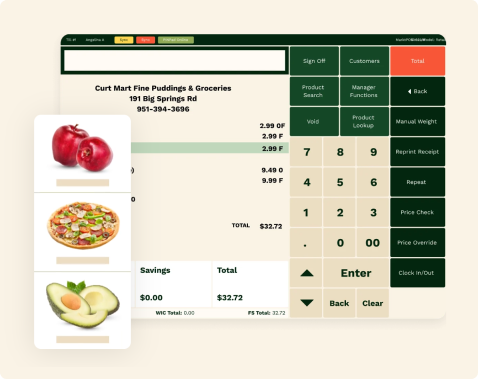
Identify your bestsellers, both in terms of sales volume and profit margin per item, to make better stocking and purchasing decisions.
Calculate sales per square foot to see which areas of your store are performing best and which could use some TLC.
Improve your marketing ROI by monitoring the success of promotions, discounts, and events.
Combine sales data and external information (e.g., different seasons, times of week, holidays, weather, etc.) to forecast demand, allowing you to anticipate sudden surges in demand.
Cut Through The Competition With a Leading Butcher Shop POS
You have the skills and passion, and now (we hope) the know-how to run a successful butcher shop.
When you’re ready to get started, we’re here to help. Markt POS specializes in providing butcher shops, meat markets, and other specialty food markets with the industry-specific tools they need at the right price for small businesses.
Schedule a customized demo today to see our system in action — or read our blog for more helpful industry insights and business tips.
