






The Holiday Season Playbook for Neighborhood Grocery Stores and Supermarkets
Struggling to get new customers in the door? It’s not just you.
Picture a store packed with families in the produce aisle, shoppers grabbing the one ingredient they forgot for dinner, and checkout lines that keep moving.
This post gives you 15 proven tips to turn this into a normal Tuesday, some of which you can try out this week. They cover how to bring in new shoppers, grow their baskets, keep customers coming back, and run a tighter store, so you can raise sales without cutting into margins.
The mindset shift behind every tip: Stop discounting purchases shoppers would have made anyway. Focus on the trips and baskets you’re not getting yet, and only discount where margin allows.
Strategies To Bring New Shoppers Into Your Store
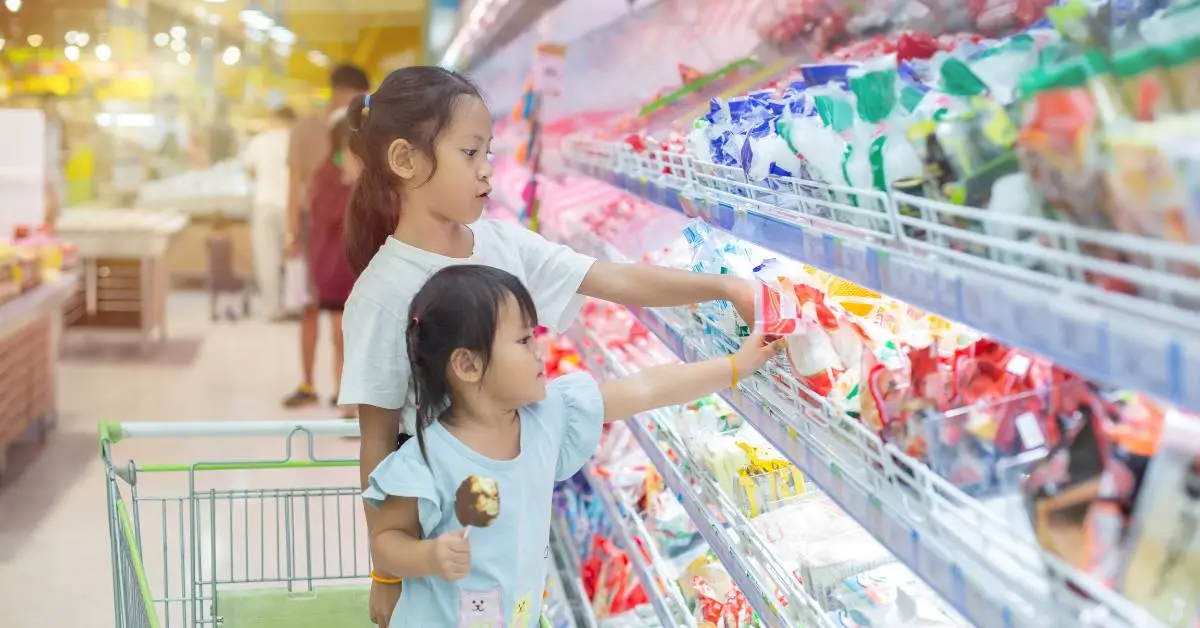
Younger shoppers split their trips across stores. AlixPartners found 74% of young parents shopped through at least three channels in 2025, and only 13% stuck to one. Winning the “full shop” is harder than it used to be, so give people a specific reason to pick you for a specific trip.
1. Host In-Store Sampling Events
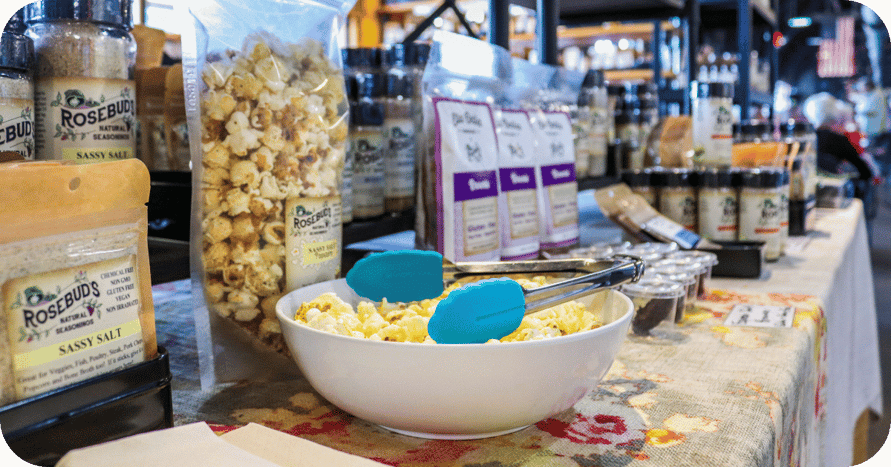
Sampling puts a product on a shopper’s taste buds before they decide. It works best when it’s regular and tied to a clear next step.
How to run one:
- Pick a fixed day and time, such as Wednesday from 4 to 7 p.m., so shoppers learn the pattern.
- Sample one hero product per table, ideally one with a good margin.
- Put a recipe card next to the sample. Use the same product in the recipe.
- Offer a sampling day price only if the product’s margin can absorb it. Set it up as a promotion and compare item sales in your point of sale (POS) system so you can track the lift. No margin to spare? Skip the discount and let the sample and recipe card do the selling.
- Rotate the menu every two to four weeks so regulars have a reason to return.
Start with one product and one day this week, then let the results tell you what to sample next.
Here are a few more sampling tips.
2. Partner With Local Vendors
“Shopping local” keeps growing, and it gives you products the big chains can’t match. Gen Z shoppers in particular choose stores that share their values, according to Kard’s grocery marketing research.
How to do it:
- Start with three to five local producers in categories you already sell: bread, honey, salsa, eggs, or snacks.
- Give them a dedicated shelf or endcap with their name and a short story.
- Run a joint promotion, such as a bundle pairing a local sauce with fresh pasta.
- Host a meet-and-greet so shoppers can talk to the maker.
- Share the story in emails, social posts, and shelf signs.
Related Read: The 5 Top Vendor Management Best Practices
3. Build Farm-to-Fork Partnerships
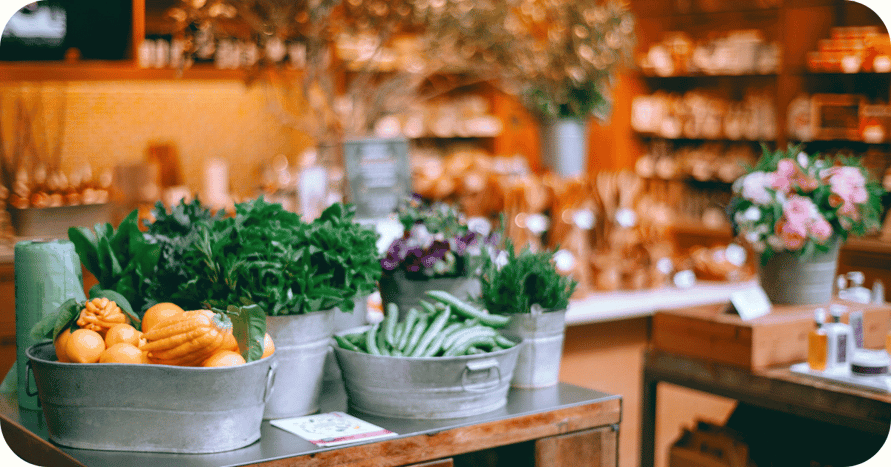
Partner with nearby farms for fresh, seasonal produce delivered straight to your store. Then make it visible.
How to do it:
- Create a “Farmer’s Corner” and show off each farm with a sign, a photo, and a line about how they grow.
- Label the harvest date or pick day.
- Share a weekly “what just came in” post on social media.
- Combine with strategy #5 (Offer DIY meal kits): Package local ingredients into a farm-to-fork dinner kit.
4. Tap Into What Gen Z and Younger Parents Buy
Gen Z shops for value, convenience, and discovery all at once. They find products on TikTok and Instagram, and they love global flavors, according to Food Trade News. They’re also less loyal — 81% of Gen Z and millennial consumers switched brands in the past year, per Salesforce’s 2025 Connected Shoppers Report, as reported by EMARKETER.
How to respond:
- Stock what your community buys. Test small orders of what’s trending.
- Follow the viral list. When a snack or sauce trends, order a small test quantity and put it on an endcap.
- Post it. Show new arrivals in short videos on Instagram, TikTok, and your Google Business Profile.
- Stock store-brand items where you can. Value-minded shoppers compare unit prices.
Small tests and fast follow-through help you keep up with what younger shoppers want next.
Strategies To Grow the Basket
Once shoppers are in the store, a few simple moves can help fill the cart.
5. Offer DIY Meal Kits
Convenience wins. Meal kits give shoppers a dinner plan without a subscription box.
How to do it:
- Start with three kits: a quick weeknight dinner, a family favorite, and one seasonal recipe.
- Pre-portion ingredients and include a recipe card.
- Offer dietary versions, such as vegetarian, gluten-free, or keto.
- Price the kit below the sum of the items, while keeping kit margin at or above your department average.
- Add online ordering with in-store pickup if your system supports it.
6. Add Prepared Foods and Quick-Service
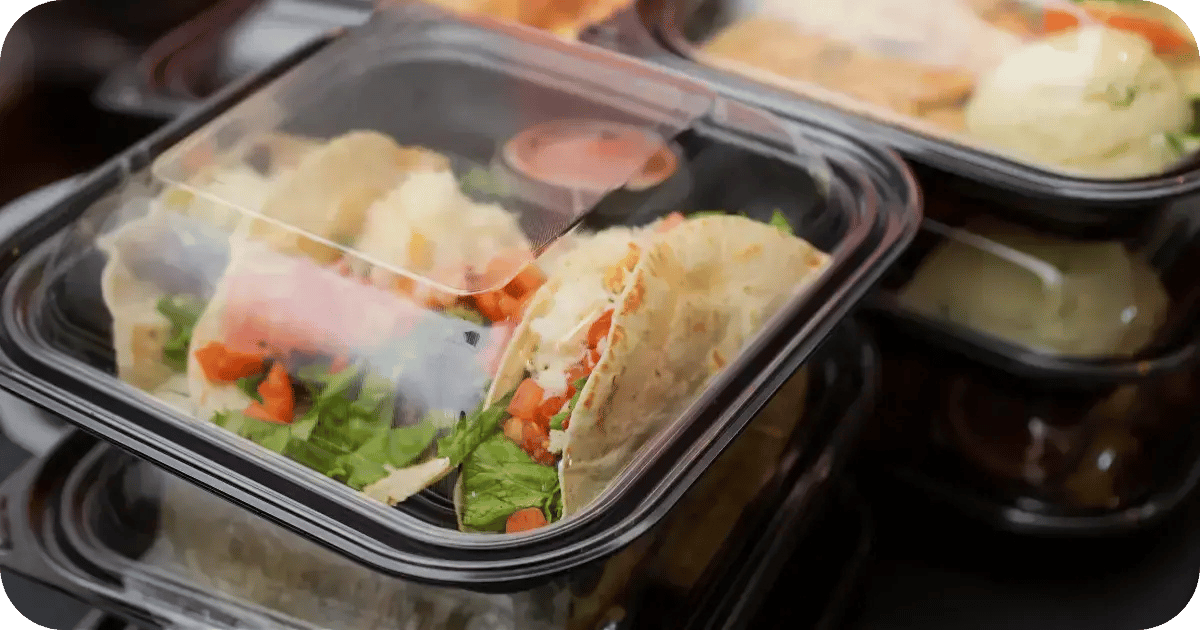
Young parents want convenience foods to replace takeout, according to an AlixPartners survey. AlixPartners suggests grocers think of themselves as competitors to food service. Prepared food also tends to carry a higher margin than many other departments because shoppers pay for the value added. Read more in our guide to how profitable a deli is in a grocery store.
How to start small:
- Pick four to six items: rotisserie chicken, a hot bar, sandwiches, or a weekly special.
- Sell them from the same register as groceries so a shopper can pay once.
- Set up a customizable quick service menu with modifiers and kitchen printing. A deli POS system can handle it all in one place.
- Track prepared food sales as its own department so you can see the margin.
Related Read: Best POS System for Quick-Service Restaurants: 5 Top Options
7. Sell Gift Cards
Gift cards bring in both cash up front and new customers when a loyal shopper gives one to a friend.
How to do it:
- Display cards at the register and near the entrance.
- Run a holiday promotion, such as a $5 bonus card with a $50 purchase.
- Offer custom-designed cards with your store’s branding.
- Promote them as gifts for teachers, neighbors, and new parents.
8. Use Bundles and Mix-and-Match Deals
Bundles encourage shoppers to try something new without a blanket discount. Pair a slow mover with a bestseller, such as a specialty pasta with a jar of sauce.
How to set one up:
- Pick a bestseller and a slower-moving, higher-margin item.
- Set a bundle price that keeps margin above your target.
- Run it for two weeks, then check sales for both items.
- Keep what works. Retire what doesn’t.
9. Optimize Shelf Layout and Endcaps
Layout is a sales tool. Put produce up front, cross-merchandise (salsa near chips), and use endcaps for the items you want to move.
Quick layout checklist:
- Put your highest-margin and seasonal items at eye level.
- Place add-ons near the main item: lemons near fish, cream near coffee.
- Refresh endcaps every two weeks.
- Clear clutter and backstock from aisles so shoppers can move.
- Use clear signage and bold aisle labels. (See more small grocery store layout ideas)
Small layout changes cost little and can lift sales on items you already stock. Here are some ideas on how to best use your space.
10. Run Seasonal Promotions and Time Them Well
Kard’s analysis of 2025 card transaction data from more than 47 million cardholders found that Gen Z and millennials spent 70.8% more on weekdays than weekends. Many grocers still plan promotions around the weekend rush.
How to plan:
- Build a 12-month calendar of holidays, local events, and harvest seasons.
- Schedule email and text offers for Sundays or Mondays so they drive weekday trips.
- Make offers time-limited, such as “Wednesday only,” to create urgency.
- Review results after each promotion.
Plan your promotions around the days shoppers actually spend, and keep the ones that bring them in.
Related Read: Grocery Store Marketing Plan Example: 5 Steps To Grow Your SMB

Strategies To Keep Shoppers Coming Back
Getting shoppers in the door once is the easy part. These strategies give them a reason to come back.
11. Build a Customer Loyalty Program That Rewards Behavior
Loyalty programs drive repeat visits, but only when the reward feels worth it. Salesforce found that 84% of loyalty program members say programs make them more likely to repurchase, as reported by EMARKETER. AlixPartners says a few cents off isn’t enough and suggests bigger perks, such as 20% to 30% off once a month or a members-only checkout lane. With food retail margins near 1.7%, cap deep discounts or limit them to higher-margin departments.
How to do it:
- Enroll shoppers at checkout using a phone number. No app required.
- Offer a point-based program with a clear reward, such as $5 off after 100 points.
- Add tiered memberships for top spenders.
- Personalize offers based on purchase history.
- Set reward caps by margin, and favor perks that cost little, such as early access, a members-only lane, or bonus points on high-margin items. Deep discounts can go to customers who would have spent that money anyway.

One problem: Managing a loyalty program can feel like a headache. A POS system with built-in customer loyalty or dedicated loyalty software handles the tracking, so you can focus on your top shoppers.
Related Read: How To Start a Loyalty Program for Your Market
12. Stay Top of Mind With Text, Email, and Direct Mail
A loyalty list only works if you use it. Send short, timely messages and keep a printed piece in the mix for shoppers who don’t check their phones.
How to do it:
1. Send one weekly “drop” with one headline, three bullets, and one link.2. Offer text exclusives to give people a reason to opt in.
3. Mail a postcard each quarter with a coupon to lapsed customers.
4. Track which messages bring people in.
Keep sending what works and drop what doesn’t, so every message earns its place in your shoppers’ inboxes and mailboxes.
13. Offer Pickup and Delivery
Younger shoppers build carts online and expect pickup or delivery. Online grocery sales hit $9.8 billion in June 2025, up 27.6% year over year, according to Chain Store Age.
How to do it:
- Start with pickup for a limited window, such as 4 to 7 p.m.
- Add a third-party delivery partner such as Instacart or Mercato.
- Keep your online inventory accurate so shoppers don’t get unwanted substitutions.
- Promote the service on your signs, receipts, and website.
Make ordering easy, and you’ll reach shoppers who wouldn’t have walked in. Choose a POS system where pickup and delivery are integrated.
Strategies To Run a Tighter Store
Shoppers notice long lines and empty shelves. These fixes help you avoid both.
14. Speed Up Checkout
A slow lane may cost you repeat visits. About six in 10 Gen Z shoppers (18–29) prefer self-checkout and scan-and-go, according to Chain Store Age.
How to do it:
- Check where lines form at peak times and add a lane or self-checkout there.
- Make sure scales, PIN pads, and scanners are up to date.
- Keep a staff member within sight of self-checkout in case customers have questions or need staff override.
- Use hotkeys and touchscreen buttons for your top-selling produce and bulk items.
Shorter lines mean happier shoppers and more repeat visits.
15. Optimize Labor and Inventory With the Right Technology
Ordering inventory by instinct leaves money on the table. Too much of the wrong product means markdowns. Too little means lost sales.
How to do it:
- Review 30-day sales by item before every order.
- Move slow sellers off the shelf. Mark down items nearing their dates.
- Rotate stock first in, first out (FIFO).
- Track shrink by department so you can see where loss happens.
- Check reports from any browser so you’re not tied to the store.
Better ordering and tracking keep the right product on the shelf and cut waste.
Top Pricing Strategies To Protect Your Margin
Pricing mistakes are quiet, so check these four areas before they show up on your profit:
- Check vendor costs regularly. If costs rise and your shelf price doesn’t, you absorb the difference on every unit.
- Use targeted promotions instead of blanket sales. Keep every promotion within your margin.
- Make prices easy to find. Clear tags build trust.
- Review markdowns weekly. Move near-date items before they become a loss.
Block off 30 minutes each month to compare vendor invoices to shelf prices and review the markdowns you took.
Metrics To Track
Why Customer Frequency, Basket Size, and Margins Matter
Sales growth comes from three levers: how often shoppers visit, how much they spend per visit, and how much you keep from each sale. Grocery margins are thin. FMI’s Food Retailing Industry Speaks 2025 puts food retail profit margins at 1.7%. A small change in any lever shows up fast in your bottom line.
A grocery store’s gross margin is what’s left after the cost of product, including shrink. Net margin is what’s left after labor, rent, utilities, taxes, and fees. Growing sales only helps if both hold up.
Increasing Grocery Sales: FAQs
How can I increase sales in my grocery store?
You can increase sales in your grocery store by attracting new shoppers, growing the basket, and bringing customers back more often, while protecting your margin on every sale.
What is a good profit margin for a grocery store?
A good profit margin for a grocery store is around 2% to 3% before taxes. The 2026 U.S. Independent Grocers Financial Study from NGA and FMS found independents averaged 2.20% net profit before taxes, while the top 25% earned 6.7%. With margins this thin, small gains in basket size or shrink matter. Deli and prepared foods often earn more than other departments, so track margin by department in your POS to see your own numbers.
How do independent grocers compete with big-box stores?
Independent grocers compete by being excellent in a few categories instead of trying to match big-box stores everywhere. AlixPartners recommends becoming a “multi-specialist”: Stock the basics well enough that shoppers can finish their list, then stand out in a few areas, such as prepared meals for young families or a standout local selection.
How does Gen Z shop for groceries?
Gen Z shops for groceries with a focus on value, a phone in hand, and a curiosity about new products. They discover items on social media and enjoy global flavors, so small test orders of trending products are a good way to start.
How To Increase Grocery Sales the Easy Way
You don’t need to do everything on this list at once. Pick the three that fit your store, run them for a month, and check what moved.
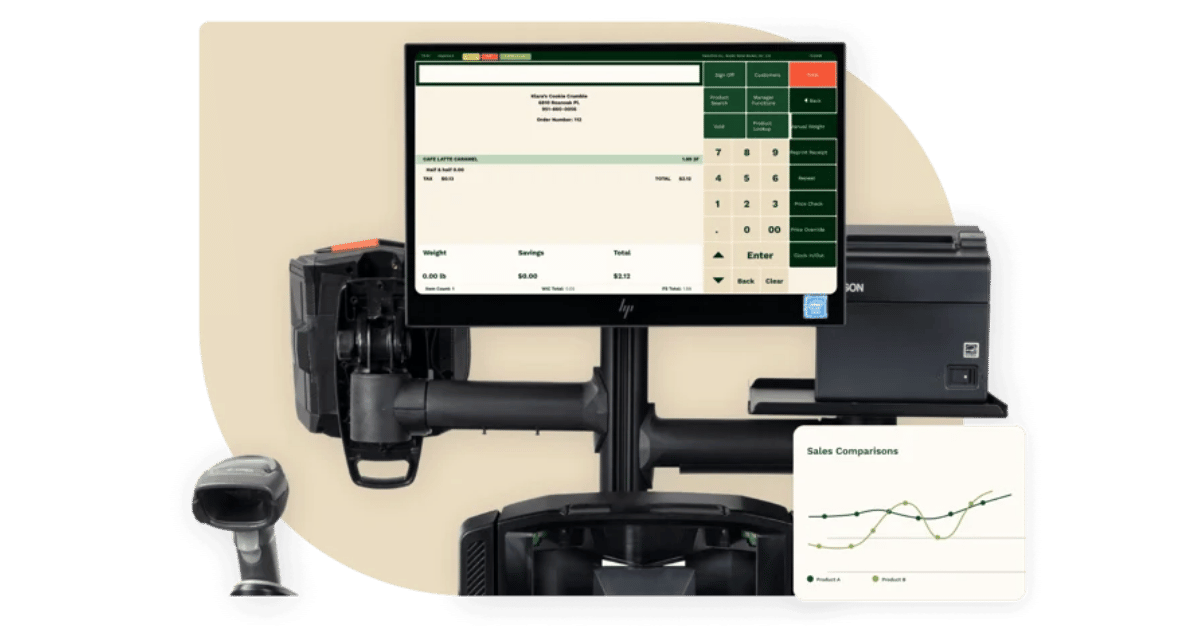
Most of these tips run through your register as well. Markt POS handles loyalty, gift cards, mix-and-match promotions, and inventory in one system, so you can set up a promotion or check what sold without juggling spreadsheets and separate apps.
Want to see how it works in a store like yours? Schedule a free demo.


As the product manager of Markt POS, Joel brings a decade of grocery retail experience. He helps grocery store owners take advantage of cutting-edge point of sale technology and is committed to helping them succeed. Joel writes extensively about improving inventory management processes — something every grocer struggles to perfect.