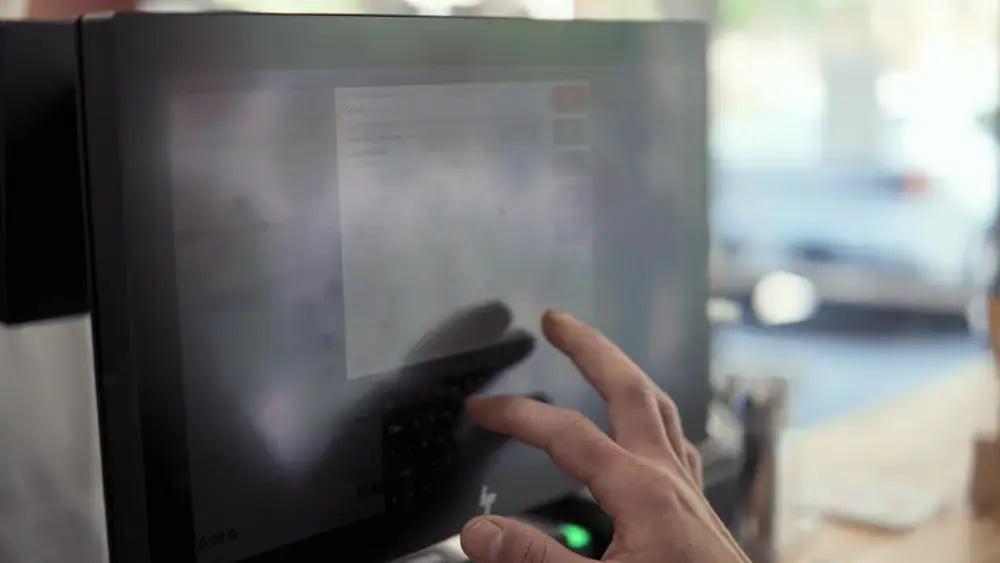
Toast established itself as a specialized point of sale (POS) system for full-service restaurants, giving floor managers a user-friendly way to manage menus and tables. They’ve recently branched out to retail POS systems, including aggressive marketing toward grocery stores and bottle shops.
On the other hand, Markt POS was built specifically for grocery stores and food markets, and steadily adds features for grocerants and other businesses that combine traditional retail with fresh food sales.
Toast and Markt both have fresh food sales in their DNA, but which is a better fit for neighborhood grocery stores?
Here’s what you need to know about both systems.
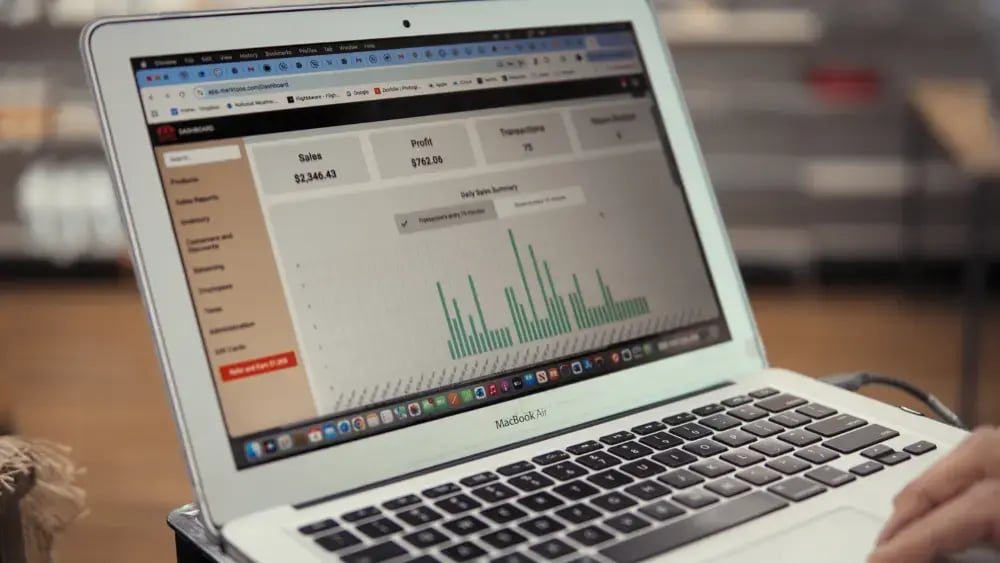
Toast made a lot of promises on how it would help our business out, which we later found out was not necessarily the case.
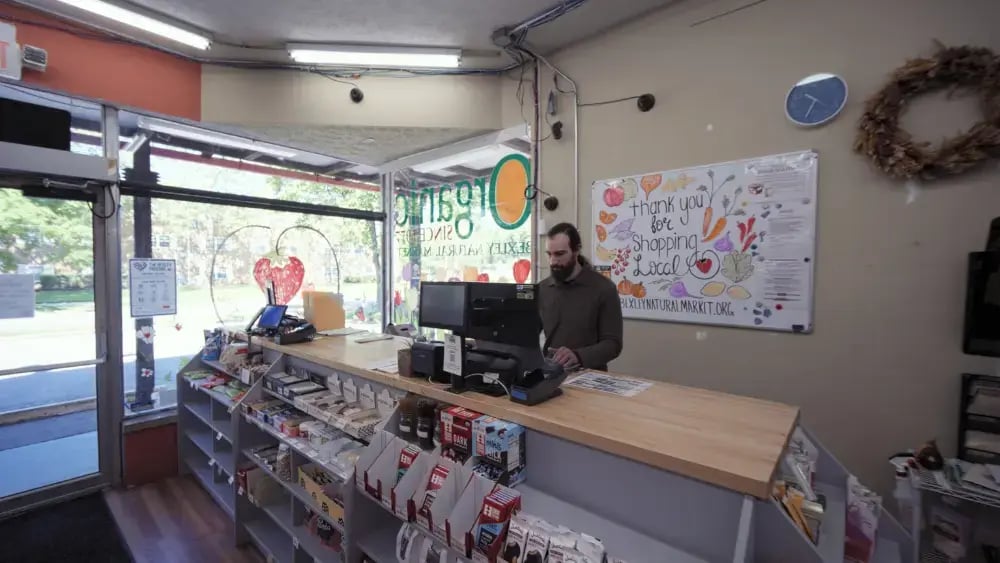
Toast’s retail plans start at $90/month — and “starts” does the heavy lifting in that statement.
Many of the features grocery stores need to function, like advanced inventory management or weight-based sales, are only available as paid add-ons. This spikes the cost quickly, especially if you run multiple lanes. After getting hardware and setting up the add-ons, plans run closer to $200 or $300/month.
Toast is one of the few POS companies that requires a long-term contract (usually two to three years), with some users and reviews mentioning expensive cancellation fees if you want to make a switch. Some customers also tell us that Toast routinely raises its card processing rates.
Here’s how Markt POS and Toast compare.
*See something incorrect or out of date? Let us know so we can keep this page as accurate as possible.


A well-equipped grocery checkout counter includes a touchscreen PC, handheld barcode scanner, cash drawer, and payment device. You also need a scaling system for weight-based items like produce.
Most POS software providers offer a tiered pricing structure, with basic features included in the lowest-cost option and more advanced features included in the higher-cost option.
Cloud-based POS solutions are the best option for small businesses because they let you track inventory, check sales reports, and manage your store from anywhere, at any time.
For smooth transactions and low operating expenses, you need an affordable payment processing solution that integrates with your POS system.
Accepting a full range of payment methods including EBT can help you appeal to more customers.
A stress-free setup and onboarding process is essential for getting your new POS up and running with minimal snags.
A trustworthy support team can help you make the most of your POS system and quickly resolve technical issues when they arise.
Automating the purchase order and receiving processes can save you time and prevent costly stockouts.
Quick-service restaurant (QSR) tools can help grocers build revenue by offering custom, made-to-order meals like sandwiches, salads, and other entrees. Common features include quick order entry, kitchen printing, item modifiers, and combo pricing.
Built-in marketing features like a loyalty program and auto-apply promotions can help you increase customer retention and boost average basket sizes.
POS systems with an open API can be easily customized to fit your needs, letting you connect third-party software solutions for e-commerce, accounting, and marketing.
A POS system with a built-in online ordering system makes it easy to offer convenient grocery and meal pickup.
If your grocery store sells alcohol or tobacco, you need a POS system with built-in age verification tools.
Offering subscription-based sales for weekly produce boxes or custom meal plans can help you earn customer loyalty and generate repeat business, but you need a system that can handle automatic billing, tracking, and order fulfillment.
If you sell meat, deli slices, or produce, you need a POS system that makes weight-based sales quick, easy, and accurate.
Modern POS systems can help you with employee management by simplifying the time tracking, payroll, and security processes.
Your POS software constantly collects data that can help you make more informed decisions about your product selection, marketing efforts, and pricing strategy.
Commercial-grade Warranty-Backed Hardware to suit any retail store configuration.
A well-equipped grocery checkout counter includes a touchscreen PC, handheld barcode scanner, cash drawer, and payment device. You also need a scaling system for weight-based items like produce.
Most POS software providers offer a tiered pricing structure, with basic features included in the lowest-cost option and more advanced features included in the higher-cost option.
Cloud-based POS solutions are the best option for small businesses because they let you track inventory, check sales reports, and manage your store from anywhere, at any time.
For smooth transactions and low operating expenses, you need an affordable payment processing solution that integrates with your POS system.
Accepting a full range of payment methods including EBT can help you appeal to more customers.
A stress-free setup and onboarding process is essential for getting your new POS up and running with minimal snags.
A trustworthy support team can help you make the most of your POS system and quickly resolve technical issues when they arise.
Automating the purchase order and receiving processes can save you time and prevent costly stockouts.
Quick-service restaurant (QSR) tools can help grocers build revenue by offering custom, made-to-order meals like sandwiches, salads, and other entrees. Common features include quick order entry, kitchen printing, item modifiers, and combo pricing.
Built-in marketing features like a loyalty program and auto-apply promotions can help you increase customer retention and boost average basket sizes.
POS systems with an open API can be easily customized to fit your needs, letting you connect third-party software solutions for e-commerce, accounting, and marketing.
A POS system with a built-in online ordering system makes it easy to offer convenient grocery and meal pickup.
If your grocery store sells alcohol or tobacco, you need a POS system with built-in age verification tools.
Offering subscription-based sales for weekly produce boxes or custom meal plans can help you earn customer loyalty and generate repeat business, but you need a system that can handle automatic billing, tracking, and order fulfillment.
If you sell meat, deli slices, or produce, you need a POS system that makes weight-based sales quick, easy, and accurate.
Modern POS systems can help you with employee management by simplifying the time tracking, payroll, and security processes.
Your POS software constantly collects data that can help you make more informed decisions about your product selection, marketing efforts, and pricing strategy.
Commercial-grade Warranty-Backed Hardware to suit any retail store configuration.
We have a very dynamic inventory. We don't have a menu that's laminated that gets passed out to people. It changes every day — it'll change several times this week — so the ability to easily put inventory into the system is very important.